
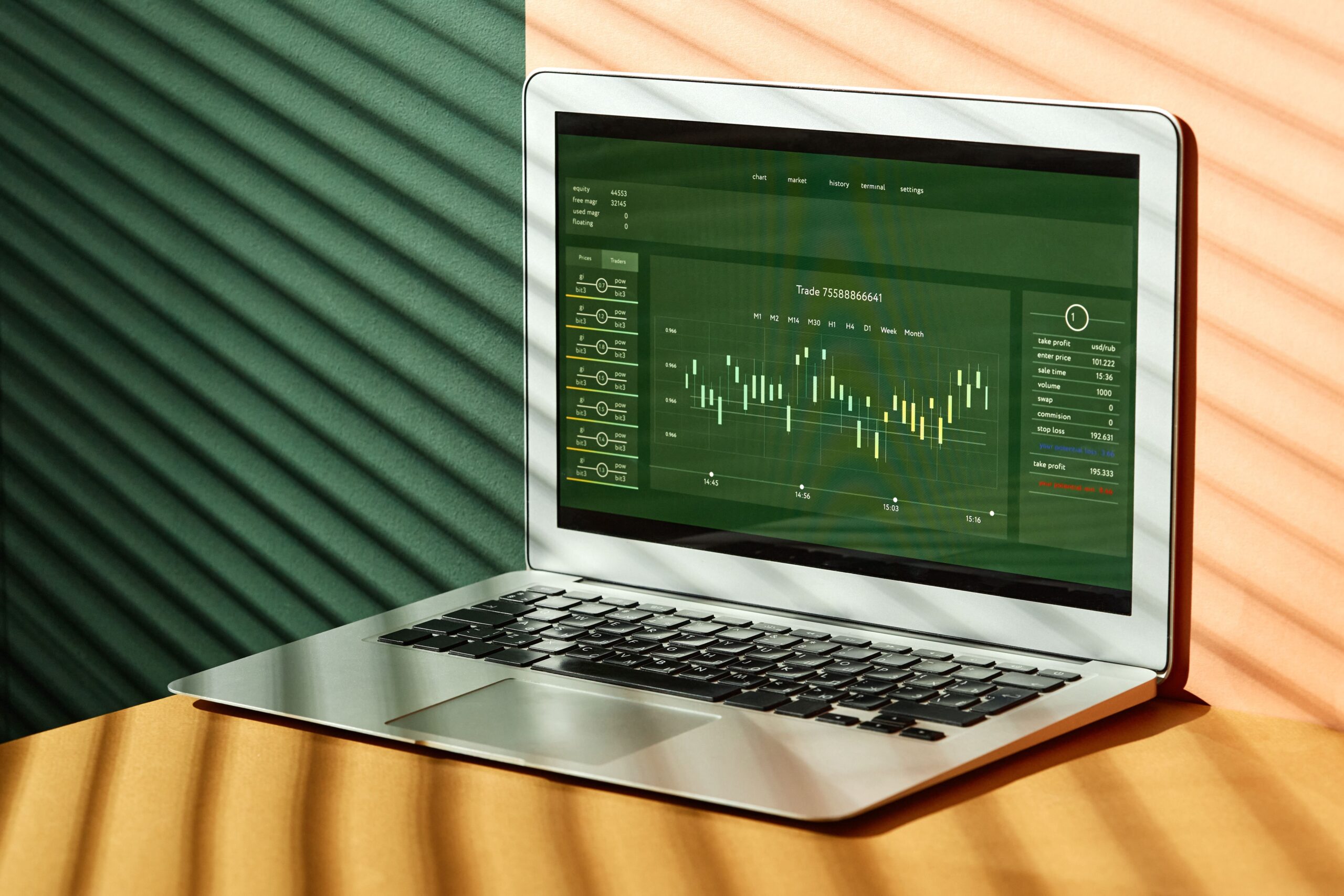
Choosing among the best trading platforms in 2026 can make a significant difference to your trading experience. The right platform provides competitive fees, reliable order execution, advanced charting tools, and access to markets that match your goals. However, the best choice depends on your experience, trading strategy, available capital, and risk tolerance.
Some platforms are designed for beginners who want simple stock investing. Others focus on active traders who need technical indicators, automated strategies, options analysis, or real-time market data. Therefore, comparing trading platforms carefully can help you avoid unnecessary expenses and make better-informed decisions.
This guide explains how to compare trading platform fees, evaluate advanced features, and select a suitable provider in 2026. It also highlights important security considerations and common mistakes to avoid before opening a trading account.
What Are Trading Platforms?
Trading platforms are software applications that allow users to buy and sell financial instruments through a broker or exchange. Depending on the provider, these instruments may include stocks, exchange-traded funds (ETFs), options, futures, foreign exchange, and cryptocurrencies.
A platform usually provides market quotes, order entry tools, account information, charts, and portfolio tracking. Advanced platforms may also include algorithmic trading, backtesting, customizable indicators, and risk-management features.
However, not every platform offers every market. Some specialize in long-term investing, while others support frequent trading and complex strategies. Before choosing a provider, confirm that the products you want to trade are available in your country.
Best Trading Platforms in 2026: What to Compare
There is no single trading platform that is best for everyone. Instead, compare providers based on cost, usability, market access, research quality, and the tools you actually need.
1. Interactive Brokers: Advanced Market Access
Interactive Brokers is worth researching if you want access to multiple international markets and advanced trading features. Its platform offerings include professional charting, portfolio analysis, order management, and tools for experienced investors.
It may suit active traders who need detailed order controls or investors who want to manage assets across different markets. However, its extensive features can create a learning curve for beginners.
Review the available account types, market-data subscriptions, commissions, and other charges before opening an account. Product availability and fees depend on your location and account configuration.
2. Charles Schwab: Research and Investment Tools
Charles Schwab is an option for investors who value educational resources, investment research, and portfolio management tools. Its trading services include stocks, ETFs, and other eligible investment products, with availability depending on the account and jurisdiction.
Schwab may appeal to investors who want research and trading services within one ecosystem. More experienced users can also investigate its thinkorswim platform for advanced charting, technical studies, and options analysis.
Before choosing Schwab, check account eligibility, commissions, options contract charges, and any applicable regulatory or exchange fees. International access is not identical across all countries.
3. Fidelity: Long-Term Investing and Portfolio Research
Fidelity is worth considering if your priorities include investment research, retirement accounts, and portfolio management. Its platform provides tools for researching securities and monitoring investments.
It may be suitable for investors who want to combine occasional trading with long-term portfolio building. However, active traders should compare its advanced order features, available markets, and data tools with competing providers.
Check the current pricing schedule rather than assuming every transaction is free. Options, certain securities, and other services may involve additional costs.
4. TradingView: Advanced Charts and Market Analysis
TradingView is known for its interactive charts, technical indicators, drawing tools, watchlists, and community-shared trading ideas. It can help traders analyze price movements across supported markets.
TradingView is especially useful for people who want a customizable charting workspace. Depending on the broker and region, users may also be able to connect a supported brokerage account and place trades through the interface.
Remember that charting software and a brokerage account are not necessarily the same service. Check whether your chosen broker is supported, which market-data subscriptions are required, and whether real-time quotes cost extra.
5. MetaTrader 5: Technical and Automated Trading
MetaTrader 5 is a trading platform used by participating brokers for supported markets, including forex and certain exchange-traded instruments. Its features include technical indicators, multiple chart types, custom scripts, and automated trading through expert advisors.
It may appeal to traders who want to test rule-based strategies or customize their technical analysis. Nevertheless, the instruments, spreads, leverage, and execution conditions depend on the broker providing the account.
Automated trading does not guarantee profits. A strategy can perform well in historical testing and still lose money in live markets because of slippage, changing conditions, and unexpected volatility.
6. Coinbase: Cryptocurrency Trading
Coinbase is an option to investigate if you want a dedicated cryptocurrency trading service. Depending on the country and account type, its services may include supported digital assets, market information, and different order options.
Compare the applicable trading fees, spreads, payment charges, withdrawal costs, and asset availability. A simple purchase interface may have different pricing from an advanced trading interface.
Cryptocurrency markets can experience sharp price movements. Digital assets may also involve custody, regulatory, and platform-specific risks. Only trade amounts you can afford to lose, and review the protections available in your jurisdiction.
Compare Trading Platform Fees in 2026
Trading fees can reduce returns even when a platform advertises low commissions. The total cost depends on the instrument, transaction size, trading frequency, account type, and market conditions.
For a fair comparison, examine the following charges before making a decision.
- Trading commissions: Fees charged for buying or selling certain securities or contracts.
- Bid-ask spreads: The difference between the buying and selling prices. Wider spreads can increase transaction costs.
- Options and futures fees: Contract charges, exchange fees, and other costs that may apply to derivatives.
- Market-data subscriptions: Additional charges for real-time quotes or specialized data feeds.
- Margin interest: Interest charged when borrowing money to trade eligible investments.
- Currency conversion: Costs that may apply when trading or funding an account in another currency.
- Deposit and withdrawal fees: Charges imposed by the platform, payment provider, or financial institution.
- Inactivity and account fees: Charges that may apply to particular account types or services.
For example, consider two hypothetical platforms. Platform A charges no trading commission but has a wider spread. Platform B charges a commission but offers a narrower spread. The cheaper option depends on your order size, execution price, and trading frequency.
Therefore, calculate your estimated total cost instead of comparing headline commissions alone. Always verify current pricing on the provider’s official website because fee schedules can change.
Advanced Trading Tools That Matter
Technical Analysis and Charting
Advanced charting tools can help traders study price movements, identify potential support and resistance levels, and evaluate market trends. Useful features include candlestick charts, moving averages, volume indicators, and customizable timeframes.
However, technical indicators are not guarantees of future price movements. Use them as part of a defined strategy rather than treating individual signals as certain predictions.
Real-Time Market Data
Timely market information is important for traders who rely on short-term price changes. Some platforms provide delayed quotes by default, while others offer real-time data through paid subscriptions.
Check the data source, exchange coverage, and subscription requirements. Delayed information may be unsuitable for strategies that depend on precise entries and exits.
Stop-Loss and Risk-Management Orders
Risk-management tools can help traders control exposure. A stop order may trigger a market order when a specified price is reached, while a limit order sets a price restriction for execution.
Nevertheless, stop orders do not guarantee a particular execution price. During rapid price movements or market gaps, a trade may execute at a less favorable price than expected. Understand each order type before using it with real money.
Algorithmic Trading and Backtesting
Some platforms allow traders to automate strategies using scripts, APIs, or built-in strategy tools. Backtesting helps evaluate how a set of trading rules would have performed against historical data.
Reliable testing should account for realistic fees, spreads, slippage, and the risk of overfitting. A strategy designed too closely around historical data may fail when market conditions change.
Mobile Trading and Alerts
A strong mobile application can help you monitor positions, receive price alerts, and manage orders when away from your computer. Look for secure authentication, clear portfolio information, and reliable notifications.
However, convenience should not encourage impulsive decisions. Set alerts around your plan and avoid making high-risk trades simply because the application makes execution easy.
How to Choose the Right Trading Platform
Follow these steps to identify a platform that fits your needs.
Step 1: Define Your Trading Goals
Decide whether you want to invest for the long term, trade stocks actively, analyze forex markets, trade options, or access cryptocurrencies. Your goal determines which tools and markets are essential.
Step 2: Check Regulation and Security
Confirm the legal entity providing the service and verify its regulatory status with the relevant financial authority. Check account protections, asset custody arrangements, withdrawal procedures, and available dispute-resolution channels.
Use strong passwords and multifactor authentication where available. Be cautious of unsolicited messages promising guaranteed returns or asking you to transfer funds to unfamiliar wallets.
Step 3: Compare Total Trading Costs
Review commissions, spreads, data subscriptions, currency conversion, margin interest, and withdrawal charges. Estimate costs based on your expected trading activity rather than relying on promotional claims.
Step 4: Test the Platform
Use a demo account or paper-trading environment if available. Practice entering orders, modifying positions, setting alerts, and reviewing account statements before committing real capital.
Step 5: Evaluate Support and Reliability
Look for clear documentation, accessible customer support, transparent policies, and a record of reliable service. Check how the provider handles outages, account restrictions, and withdrawal requests.
Trading Platforms for Beginners vs. Advanced Traders
Beginners often benefit from simple navigation, educational materials, transparent pricing, and straightforward order entry. A platform with many advanced tools may create unnecessary complexity when learning the basics.
Experienced traders may prioritize customizable charts, multiple order types, options analytics, API access, and detailed market data. However, advanced features are valuable only when they support a clear trading plan.
Before selecting a provider, compare at least two or three suitable options. Review the available products, fee schedules, and account requirements side by side.
Common Trading Platform Mistakes to Avoid
One common mistake is choosing a platform based only on low advertised commissions. Hidden or indirect costs can make the overall experience more expensive.
Another mistake is assuming that advanced technology automatically improves trading performance. Better charts and faster order entry cannot eliminate market risk or replace sound decision-making.
Traders should also avoid excessive leverage, untested automated strategies, and providers that make unrealistic profit promises. Keep a written trading plan, establish risk limits, and review performance regularly.
Can Trading Platforms Help You Build Additional Income?
Trading can create opportunities, but profits are uncertain and losses are possible. It should not be treated as guaranteed passive income or a reliable substitute for an emergency fund.
If your broader goal is to build an online business, evaluate trading separately from other business models. For example, affiliate marketing involves earning commissions through eligible referrals, while a dropshipping business sells products fulfilled by third parties. Comparing affiliate vs dropshipping may help readers researching online business opportunities, but neither model is equivalent to financial market trading.
Whatever approach you choose, understand the costs, time commitment, and risks involved. Avoid investing money needed for essential expenses, and do not borrow funds simply to pursue speculative returns.
Useful Resources for Comparing Trading Platforms
Use reputable resources to research providers and understand the risks before opening an account.
- Investor.gov offers investor education and information about investment risks and fraud prevention.
- FINRA for Investors provides educational resources about brokerage accounts, trading, and investor protection.
- Interactive Brokers provides official information about its trading platforms, markets, and pricing.
- TradingView explains its charting tools, subscriptions, and supported trading integrations.
- MetaTrader 5 provides information about its trading software and analytical features.
These resources serve different purposes. Confirm that a broker is authorized to serve your location and that the products you want are available under your account.
Final Verdict: Which Are the Best Trading Platforms in 2026?
The best trading platforms in 2026 depend on your investment goals, experience, preferred markets, and budget. Interactive Brokers may suit users seeking broad market access and advanced controls. Charles Schwab and Fidelity are worth comparing for research and investing tools. TradingView focuses on charting and analysis, while MetaTrader 5 supports technical and automated trading through participating brokers. Coinbase is an option to research for cryptocurrency trading.
Before choosing, compare the full fee schedule, test the interface, verify regulatory status, and understand the risks associated with your intended products. Prioritize reliability, transparency, and appropriate risk controls over flashy features or profit promises.
A well-chosen platform can make research and order management more efficient. Ultimately, however, your results depend on market conditions, costs, strategy, and disciplined risk management. Take time to compare your options before committing capital.