
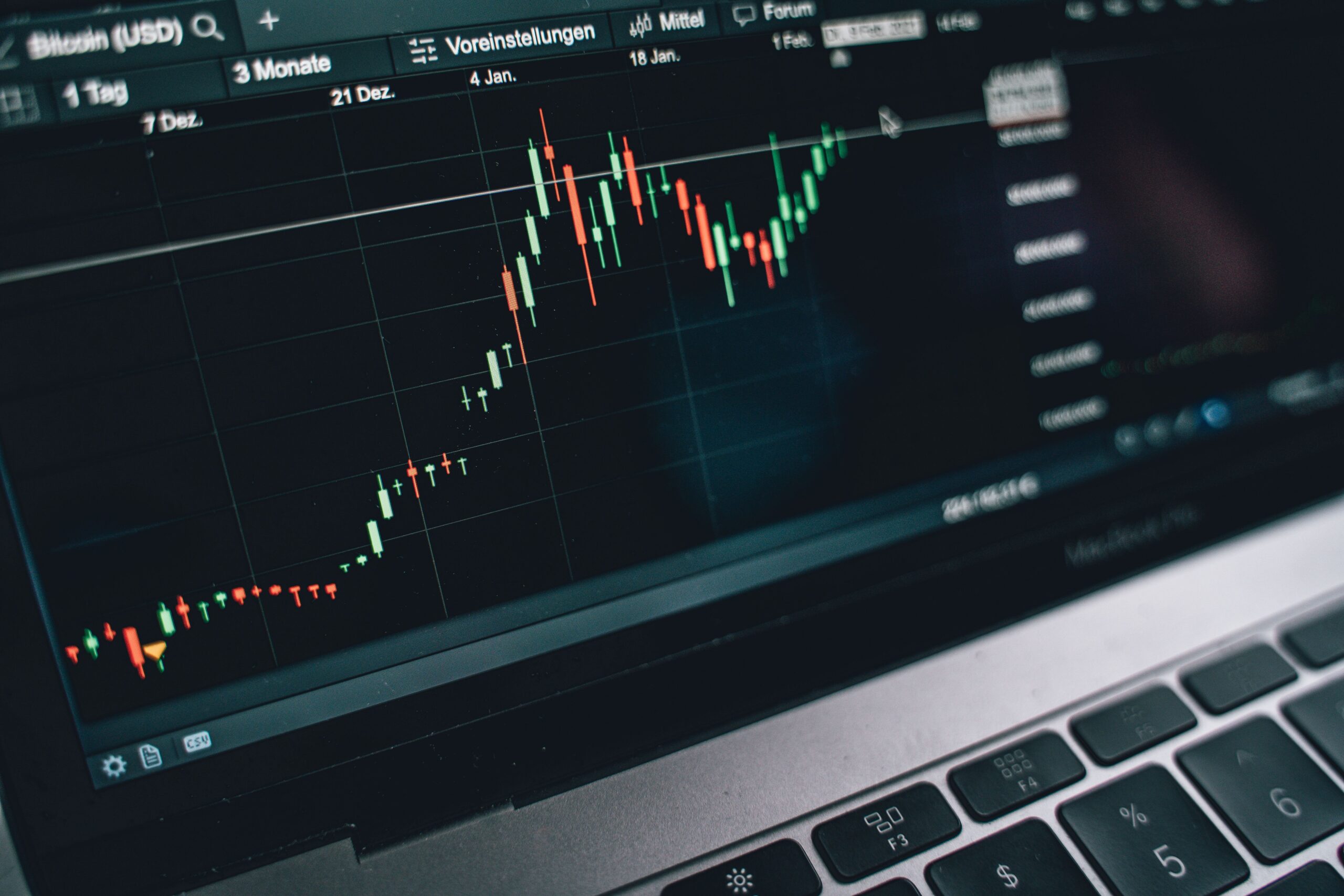
The best AI trading tools in 2026 help traders analyze markets, identify potential opportunities, test strategies, and automate parts of their trading process. These platforms use artificial intelligence, algorithms, and real-time market data to support faster decisions. However, no AI tool can guarantee profits or eliminate investment risk.
Choosing the right AI trading software depends on your experience, trading strategy, budget, and preferred markets. Some platforms focus on stock screening and technical analysis. Others specialize in automated cryptocurrency bots, backtesting, or strategy building without coding.
In this guide, we compare popular AI trading platforms, their key features, estimated subscription costs, automation capabilities, and potential return on investment (ROI). You will also learn how to evaluate performance, control costs, and avoid misleading profit claims before choosing a trading solution.
What Are AI Trading Tools?
AI trading tools are software applications that use artificial intelligence, statistical models, or predefined algorithms to support trading decisions. Depending on the platform, they can analyze price movements, scan thousands of assets, generate alerts, test trading strategies, and execute orders through supported broker or exchange integrations.
These tools do not all operate in the same way. Some provide research and signals while leaving every trading decision to the user. Others offer rule-based automation or more advanced systems that can place orders automatically.
Common Features of AI Trading Software
- AI market analysis: Processes market information to identify potential patterns and trends.
- Automated trading: Executes predefined strategies when specified conditions are met.
- Backtesting: Tests a strategy against historical market data.
- Real-time alerts: Notifies traders about price changes, technical signals, or market conditions.
- Risk management: Supports stop-loss rules, position sizing, and exposure limits.
- Portfolio monitoring: Tracks positions, performance, and selected market indicators.
For more foundational guidance, visit our Trading Strategies and Trading Tools and Technology guides.
Best AI Trading Tools in 2026: Quick Comparison
The following platforms serve different trading needs. Pricing is indicative and may vary by billing cycle, promotions, region, and subscription tier. Verify the latest prices and feature limits on each provider’s official website before subscribing.
| Platform | Best For | Key Features | Indicative Cost |
|---|---|---|---|
| Trade Ideas | Active stock traders | AI signals, stock scanning, backtesting | About $89–$254 per month, depending on plan and billing |
| TrendSpider | Technical analysis | Automated chart analysis, alerts, strategy testing | Paid subscription; verify current tiers |
| TradingView | Charting and market research | Charts, indicators, alerts, strategy scripts | Free tier and paid plans |
| Composer | No-code strategy automation | Visual strategy building and supported automated investing | Free entry tier and paid options |
| 3Commas | Cryptocurrency automation | Trading bots, exchange integrations, portfolio tools | Paid plans; verify current pricing |
| Pionex | Crypto trading bots | Built-in bots, grid and rebalancing strategies | No separate bot subscription for many built-in features; trading fees apply |
These platforms are not identical. In particular, charting software, AI signal generators, and automated execution systems solve different problems. Compare the exact features included in each plan rather than choosing based on marketing claims alone.
1. Trade Ideas: AI-Powered Stock Trading Analysis
Trade Ideas is designed for traders who need fast stock screening, real-time market analysis, and potential trading signals. Its Holly AI system evaluates trading strategies and can provide signals with entry, stop, and target information.
Key Features
- AI-assisted stock scanning and screening.
- Real-time alerts and customizable filters.
- Strategy testing and paper-trading features.
- Advanced tools for evaluating potential entries and exits.
Cost: Published October 2026 pricing lists its Standard plan at approximately $127 monthly or $1,068 annually. Premium is listed at approximately $254 monthly or $2,136 annually. Features differ by plan, so check the official pricing page before purchasing.
Best for: Active traders who focus on US stocks and want advanced scanning capabilities.
Potential drawback: Subscription costs can be substantial for beginners. Signals can also fail, especially when market conditions change unexpectedly.
Explore Trade Ideas for current plans and product details.
2. TrendSpider: Automated Technical Analysis
TrendSpider focuses on technical analysis, chart automation, market scanning, and strategy testing. It can help traders reduce the time spent drawing trendlines and reviewing multiple charts manually.
Key Features
- Automated technical analysis and chart pattern identification.
- Custom alerts and market scanners.
- Backtesting and strategy development tools.
- AI-assisted research features on supported plans.
Cost: TrendSpider offers paid subscription tiers. The final cost depends on the selected plan, billing schedule, and promotional pricing.
Best for: Technical traders who rely on indicators, chart patterns, and repeatable strategies.
Potential drawback: Automated analysis does not guarantee that a pattern will lead to a profitable trade. Beginners may also need time to understand the platform’s advanced features.
Visit TrendSpider to compare current features and pricing.
3. TradingView: Charts, Indicators, and Trading Alerts
TradingView is a popular charting and market research platform. It supports technical indicators, customizable alerts, community-created scripts, and strategy testing through Pine Script.
Although TradingView is not exclusively an AI trading platform, it can form part of an AI-assisted trading workflow. Traders can combine its charts and alerts with external analytical tools or supported broker integrations.
Key Features
- Interactive charts covering multiple financial markets.
- Technical indicators and customizable watchlists.
- Price alerts and strategy scripts.
- Community indicators and market research tools.
Cost: A free tier is available, alongside paid plans with additional charting and alert capabilities. Check the official pricing page for current rates.
Best for: Beginners, technical analysts, and traders who want flexible charting tools.
Potential drawback: Advanced automation may require scripts, external integrations, or additional software. Not every indicator or script uses artificial intelligence.
Learn more at TradingView.
4. Composer: No-Code Strategy Building
Composer focuses on building investment strategies through a visual, no-code workflow. It can appeal to users who want to create systematic rules without developing an entire trading application themselves.
Key Features
- Visual strategy creation.
- Rule-based portfolio construction.
- Historical strategy evaluation.
- Automation features subject to account and product availability.
Cost: Composer has offered a free entry tier and paid subscription options. Confirm the current pricing, eligible accounts, and supported features before signing up.
Best for: Investors interested in systematic strategies without extensive programming knowledge.
Potential drawback: Strategy testing depends on its underlying assumptions and historical data. Automated investing also has market, execution, and portfolio risks.
Visit Composer to review its current offering.
5. 3Commas: Cryptocurrency Trading Automation
3Commas provides cryptocurrency trading automation tools for users who want to manage strategies through supported exchange connections. Its features have included dollar-cost averaging (DCA) bots, grid strategies, and portfolio management tools.
Key Features
- Automated crypto trading strategies.
- Supported exchange integrations.
- Configurable entry and exit rules.
- Tools for monitoring bot activity and positions.
Cost: Subscription fees vary by plan and billing period. Exchange trading fees and other costs may apply separately.
Best for: Cryptocurrency traders who understand bot configuration and exchange risk.
Potential drawback: Crypto markets can be extremely volatile. An automated strategy can accumulate losses during prolonged price declines or sudden market disruptions.
Review the available features at 3Commas.
6. Pionex: Built-In Cryptocurrency Trading Bots
Pionex offers cryptocurrency trading bots integrated into its exchange platform. Depending on availability, users can explore grid trading, rebalancing, and other automated strategies without purchasing a separate third-party bot subscription.
Key Features
- Built-in automated trading bots.
- Grid-based trading strategies.
- Portfolio and order management tools.
- Access to supported cryptocurrency markets.
Cost: Many built-in bots do not require a separate subscription. However, trading fees, spreads, and other applicable costs still affect performance.
Best for: Crypto traders seeking an integrated exchange and automation experience.
Potential drawback: Exchange custody, liquidity, market volatility, and platform availability must be considered. A grid bot can lose money when the market moves outside its intended trading range.
Visit Pionex for current product details and fee schedules.
How Much Do AI Trading Tools Cost in 2026?
The cost of AI trading software extends beyond its monthly subscription. Before selecting a platform, calculate the total amount you expect to spend on data, execution, integrations, and maintenance.
Common Trading Software Expenses
- Subscription fees: Monthly or annual payments for platform access.
- Brokerage commissions: Fees charged when buying or selling assets.
- Market data: Additional charges for certain real-time feeds or exchanges.
- Exchange fees: Trading costs associated with cryptocurrency platforms.
- Automation infrastructure: Potential costs for APIs, servers, or external services.
- Slippage: The difference between the expected execution price and the actual price.
For example, a tool costing $100 per month requires $1,200 annually before other expenses. If a strategy generates $1,500 in annual gains before software and execution costs, its remaining profit could be much smaller than expected.
Therefore, compare the complete cost of ownership instead of focusing on the advertised subscription price alone.
How to Calculate AI Trading Tool ROI
Return on investment (ROI) measures the gain or loss relative to the amount invested. For trading software, the calculation should account for software fees and trading expenses.
Basic formula:
ROI = (Net Profit ÷ Total Costs) × 100
Suppose a trader spends $1,200 annually on software and incurs another $300 in additional execution and data expenses. The total tool-related cost is $1,500.
If the strategy generates $2,000 in gains attributable to the trading activity before those expenses, the remaining amount is $500. The tool-related ROI is approximately 33.3%, using the $1,500 cost as the denominator.
This is only an illustrative calculation. It does not include every possible trading cost, tax, or loss, and it does not establish that the tool caused the gains.
Measure Performance Beyond ROI
A reliable evaluation should also consider maximum drawdown, win rate, average profit per trade, average loss, and risk-adjusted returns. A strategy with high returns but severe losses may be unsuitable for your financial circumstances.
Test the system using historical data and paper trading before risking real money. Include realistic transaction fees and slippage in your calculations. Remember that past performance does not guarantee future results.
How to Choose the Best AI Trading Tools for Your Needs
The right platform should fit your strategy rather than encourage you to trade more frequently. Use the following criteria when comparing options.
1. Match the Platform to Your Market
Stock traders may prioritize real-time scanners and technical analysis. Cryptocurrency traders may need exchange integrations and bot controls. Investors using longer time horizons may prefer research and portfolio analysis instead of rapid automated execution.
2. Check Automation and Broker Compatibility
Confirm whether the platform only generates signals or can actually execute orders. Check supported brokers, exchanges, API permissions, and available order types. Never assume that every advertised feature is available in every region or subscription tier.
3. Test Risk Management Features
Look for configurable position sizing, stop-loss rules, maximum exposure limits, and emergency shutdown options. These features can help manage risk, although they cannot eliminate losses or guarantee execution at a specific price.
4. Review Security and Transparency
Use strong authentication and review the permissions granted to connected accounts. Where API keys are supported, avoid enabling withdrawal permissions unless absolutely necessary. Research the provider’s reputation, fee disclosures, and regulatory status where applicable.
Can AI Trading Tools Generate Passive Income?
Automated trading may reduce the time required to monitor markets, but it should not be treated as guaranteed passive income. Strategies require testing, monitoring, and adjustments. They can also lose money when market conditions change.
Similarly, an online business built around trading education or financial software reviews has a different risk profile from trading personal capital. Publishers may earn revenue through subscriptions, advertising, or disclosed affiliate partnerships, but income is never guaranteed.
For readers comparing business models, topics such as affiliate vs dropshipping, affiliate marketing, and a dropshipping business belong to a separate commercial decision. Trading software should be evaluated on its actual usefulness, not solely on its potential to support an income-generating website.
Risks and Common AI Trading Mistakes
AI models can misinterpret information, overfit historical data, or fail during unexpected market events. Backtested results may also differ significantly from live trading outcomes.
Be cautious of providers that promise guaranteed returns, unusually high monthly profits, or risk-free automated trading. The US Commodity Futures Trading Commission warns that scammers use AI trading claims to promote fraudulent schemes. Read its guidance at CFTC: AI Trading Bots.
You should also review the SEC and Investor.gov guidance on AI investment fraud. Verify claims independently, avoid investing money you cannot afford to lose, and never give a provider unrestricted access to your funds without carefully reviewing the risks.
Frequently Asked Questions
What is the best AI trading tool in 2026?
The best choice depends on your needs. Trade Ideas is worth evaluating for active stock scanning, TrendSpider for automated technical analysis, TradingView for charting, Composer for no-code strategy building, and 3Commas or Pionex for supported cryptocurrency automation.
Are free AI trading tools worth using?
Free tools can be useful for learning, charting, and initial testing. However, they may restrict advanced features, data access, or automation. Always compare their limitations with your actual requirements.
Can AI trading bots guarantee profits?
No. Markets are uncertain, and even sophisticated algorithms can lose money. Claims of guaranteed returns should be treated as a major warning sign.
How much money do I need to start?
The required amount depends on the market, broker, minimum order sizes, and strategy. Begin by testing with simulated funds and calculate potential losses before deciding whether to trade with real capital.
Conclusion: Which AI Trading Software Should You Choose?
The best AI trading tools in 2026 can improve research efficiency, automate repetitive tasks, and help traders apply consistent rules. However, the most expensive platform is not automatically the best, and automation does not remove market risk.
Start by identifying your preferred market and trading style. Compare subscription costs, execution support, backtesting quality, and risk controls. Then test your chosen system with realistic assumptions before committing capital.
Ultimately, use AI as a decision-support tool rather than a substitute for sound judgment. A transparent platform, a carefully tested strategy, and disciplined risk management are more valuable than unrealistic promises of effortless profits.