
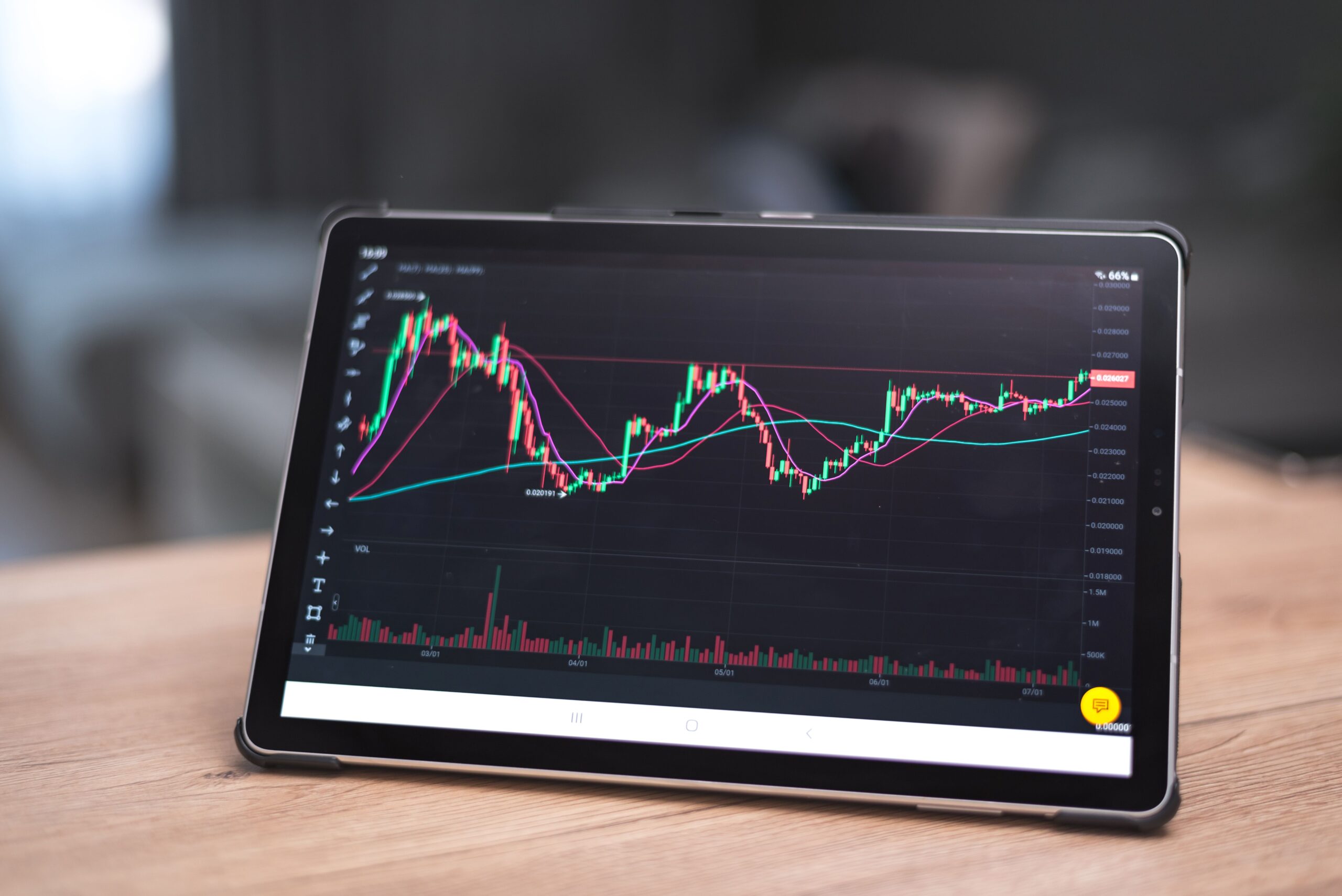
The best algorithmic trading tools in 2026 help traders analyze markets, automate trading strategies, manage risk, and evaluate performance. These tools use predefined rules, mathematical models, and market data to identify potential trading opportunities. Depending on the platform, users can build strategies with visual interfaces, write code, or connect automated systems directly to supported brokers.
However, choosing the right software requires more than comparing subscription prices. Traders must also consider execution quality, supported markets, backtesting accuracy, broker compatibility, and risk management features. A low-cost platform may be sufficient for a beginner, while an experienced quantitative trader may need advanced programming tools and reliable market data.
This guide compares popular algorithmic trading tools, explains their costs and strategies, and shows how to choose software that matches your experience and budget. It also covers common mistakes to avoid before automating real-money trades.
What Are Algorithmic Trading Tools?
Algorithmic trading tools are software applications that help traders develop, test, and execute trading strategies using predefined instructions. An algorithm might buy an asset when a moving average crosses above another moving average. It might also sell when a stop-loss threshold is reached.
Depending on the platform, automation can range from generating trading signals to placing orders automatically. Some tools focus on technical analysis, while others support statistical modeling, portfolio optimization, and high-frequency research.
These tools can improve consistency and reduce repetitive manual work. However, they cannot guarantee profits. Market conditions change, and strategies that performed well historically may fail in live trading.
Best Algorithmic Trading Tools in 2026
The following platforms serve different needs, from beginner-friendly charting to professional quantitative research. Pricing and feature availability can change, so check each provider’s official website before purchasing a subscription.
1. MetaTrader 5: Best for Forex and CFD Automation
MetaTrader 5 (MT5) is a popular platform for traders who want to automate strategies across supported forex, CFD, and other broker-provided markets. Its Expert Advisors allow users to develop automated trading systems using the MQL5 programming language.
MT5 includes charting tools, technical indicators, strategy testing, and optimization features. Traders can evaluate an automated strategy against historical data before considering live execution.
Cost considerations: The platform is generally available without a separate retail software purchase, but broker charges, spreads, commissions, data conditions, and optional third-party tools can create costs.
Best for: Forex traders, technical strategy developers, and users who want broker-connected automation.
Official website: MetaTrader 5.
2. TradingView: Best for Chart-Based Strategy Development
TradingView combines interactive charts, technical indicators, market analysis, and strategy testing. Its Pine Script language lets users build custom indicators and backtest rule-based strategies.
Traders can use alerts to monitor market conditions and, where supported, connect alerts to external automation services. However, TradingView alerts do not automatically guarantee broker order execution. Additional integrations may be necessary.
Cost considerations: A free tier is available, while paid plans provide different limits and features. Automation services, broker commissions, and data subscriptions may add expenses.
Best for: Traders who prioritize visual analysis, technical indicators, and accessible strategy development.
Official website: TradingView.
3. QuantConnect: Best for Quantitative Research
QuantConnect provides an algorithmic trading research and development environment built around the LEAN engine. It supports Python and C# workflows for strategy research, backtesting, and live trading through supported integrations.
The platform is useful for traders who want to test more sophisticated ideas. These may include factor investing, portfolio allocation, statistical arbitrage, and multi-asset strategies.
Its research-oriented environment can help users evaluate transaction costs, portfolio exposure, and strategy performance. However, reliable results still depend on data quality and realistic execution assumptions.
Cost considerations: Pricing depends on the selected services, computing requirements, and data needs. Review current plans before estimating your total operating budget.
Best for: Quantitative traders, programmers, and investors building systematic strategies.
Official website: QuantConnect.
4. Interactive Brokers Trader Workstation: Best for Multi-Asset Trading
Interactive Brokers Trader Workstation (TWS) offers professional trading tools for eligible markets and accounts. Its APIs also allow developers to create applications that interact with supported brokerage functions.
Traders can use these capabilities to automate order placement, retrieve account information, and implement systematic strategies. The platform is especially relevant for users trading multiple asset classes through a single brokerage relationship.
API access requires careful programming, testing, and monitoring. Developers should also review current connection limits, order restrictions, and market-data permissions.
Cost considerations: Software access may not require a separate platform subscription, but commissions, market-data subscriptions, exchange fees, and other applicable charges can affect overall costs.
Best for: Experienced traders seeking brokerage-connected automation across supported markets.
Official website: Interactive Brokers.
5. NinjaTrader: Best for Futures Strategy Development
NinjaTrader offers charting, market analysis, strategy development, and automated trading features, particularly for futures traders. Users can create or customize trading systems and evaluate strategies using historical market data.
Its development ecosystem can appeal to traders who want more control over entries, exits, indicators, and order management. Nevertheless, futures trading involves leverage and can generate substantial losses.
Cost considerations: Available features and pricing depend on the current licensing structure, brokerage arrangements, and data services. Compare the total cost rather than looking only at the advertised platform price.
Best for: Futures traders who need advanced charting and systematic execution tools.
Official website: NinjaTrader.
6. Backtrader: Best for Python-Based Backtesting
Backtrader is a Python framework for developing and testing trading strategies. It gives programmers flexibility to define indicators, entry rules, exit conditions, and portfolio behavior.
Because it is a software framework rather than a complete turnkey brokerage service, users may need to arrange their own market data, execution connections, and monitoring infrastructure.
Cost considerations: The core open-source framework can be used without a commercial software license. However, data, hosting, development, and broker integration may involve additional costs.
Best for: Python developers, independent researchers, and technically experienced traders.
Official project: Backtrader.
Algorithmic Trading Software Costs Compared
The true cost of an algorithmic trading system includes more than its advertised subscription. Market data, commissions, execution services, and infrastructure can significantly affect the total expense.
| Platform | Main Use | Pricing Considerations |
|---|---|---|
| MetaTrader 5 | Forex and CFD automation | Broker costs and optional tools |
| TradingView | Charting and strategy testing | Free and paid plans; integrations may cost extra |
| QuantConnect | Quantitative research | Services, computing, and data |
| Interactive Brokers TWS | Multi-asset execution | Commissions, data, and exchange fees |
| NinjaTrader | Futures trading | Licensing, brokerage, and data |
| Backtrader | Python backtesting | Development, data, and hosting |
These are qualitative cost comparisons, not live price quotes. Check the providers’ current pricing pages for exact subscription fees and eligibility requirements.
Popular Algorithmic Trading Strategies
1. Trend-Following Strategies
Trend-following algorithms attempt to identify sustained upward or downward price movements. They may use moving averages, price breakouts, or momentum indicators to determine when to enter and exit a position.
These systems can perform well during persistent trends but may experience repeated losses when markets move sideways. Stop-loss rules and position sizing can help manage exposure.
2. Mean-Reversion Strategies
Mean-reversion algorithms look for prices that have moved unusually far from a historical average or statistical relationship. The strategy assumes that prices may return toward a reference level.
However, a price can remain unusually high or low for an extended period. Traders should test whether the strategy works across different market regimes rather than relying on a single historical example.
3. Arbitrage Strategies
Arbitrage systems seek to benefit from price differences between related assets, exchanges, or instruments. Some approaches compare futures and spot prices, while others analyze related securities.
These opportunities may disappear quickly. Transaction fees, execution delays, liquidity constraints, and technology requirements can eliminate an apparent profit.
4. Market-Making Strategies
Market-making algorithms place buy and sell orders to capture potential spreads. They must manage inventory, changing liquidity, adverse price movements, and order-book competition.
This approach is technically demanding. It is generally more suitable for experienced developers with reliable execution systems than for beginners using simple retail software.
5. Momentum Strategies
Momentum algorithms identify assets showing relative strength or persistent price movement. They may use price returns, breakouts, or combinations of technical indicators to rank trading opportunities.
Momentum can reverse sharply, especially around major announcements. Risk controls and realistic transaction-cost assumptions are therefore essential.
How to Choose the Best Algorithmic Trading Tools in 2026
Match the Platform to Your Experience
Beginners may prefer visual strategy builders and straightforward charting tools. Traders with programming experience may benefit from Python, C#, or specialized scripting environments. Choose a system you can understand, test, and maintain.
Check Broker and Market Compatibility
Confirm that the software supports your intended broker, account type, and financial instruments. A platform may support strategy research without supporting direct live execution for your preferred broker.
Evaluate Backtesting Quality
Look for historical testing that accounts for commissions, spreads, slippage, and realistic order execution. Avoid selecting a strategy only because it produced an impressive historical return.
Use out-of-sample data and, where appropriate, walk-forward testing. These methods help reveal whether a strategy has been overfitted to historical prices.
Prioritize Risk Management
Reliable algorithmic trading software should support appropriate position sizing, exposure limits, stop conditions, and monitoring. Depending on the system, you may also need alerts, error handling, and a kill switch that can stop automated orders.
Calculate the Total Cost of Ownership
Estimate recurring software fees, market data, broker commissions, hosting, maintenance, and development time. A tool that appears inexpensive may become costly if it requires multiple integrations or extensive technical support.
How to Test an Algorithm Before Using Real Money
Start by writing clear entry, exit, and risk rules. Then test the strategy against historical data that reflects the intended market and timeframe.
Next, account for transaction costs and evaluate several performance measures. These may include maximum drawdown, volatility, win rate, average trade return, and risk-adjusted performance. No single metric provides a complete picture.
After backtesting, use paper trading or a simulated environment to evaluate live market behavior. Check for unexpected orders, data interruptions, duplicate signals, and differences between simulated and actual execution.
Only consider live trading after the system has passed appropriate tests. Begin cautiously, set strict loss limits, and monitor the algorithm regularly. Even a well-tested system can fail during unusual market conditions.
Common Mistakes to Avoid
- Overfitting: Optimizing a strategy too closely to past prices can produce unrealistic expectations.
- Ignoring fees: Frequent trading can turn small expected gains into losses after transaction costs.
- Using poor data: Missing prices, survivorship bias, and incorrect timestamps can distort backtest results.
- Assuming full automation means zero oversight: Algorithms need monitoring, maintenance, and failure-handling procedures.
- Trusting guaranteed-return claims: No legitimate algorithm can guarantee consistent profits in every market environment.
Can Algorithmic Trading Generate Passive Income?
Algorithmic trading may reduce manual workload, but it should not be treated as guaranteed passive income. Systems require research, monitoring, maintenance, and risk management. Losses can occur even when software operates exactly as programmed.
Similarly, trading software is different from building an online business. For example, affiliate marketing generates revenue through referrals, while a dropshipping business sells products without holding traditional inventory. Comparing affiliate vs dropshipping can help entrepreneurs evaluate business models, but neither is equivalent to automated investing or free from risk.
Keep trading capital separate from essential living expenses. Never assume that software automation removes market risk or guarantees a predictable monthly return.
Final Verdict: Which Algorithmic Trading Tool Is Best?
The best algorithmic trading tools in 2026 depend on your trading style, technical experience, and budget. MetaTrader 5 is worth considering for broker-supported forex automation. TradingView suits chart-based strategy research. QuantConnect and Backtrader offer flexibility for quantitative developers, while Interactive Brokers TWS and NinjaTrader serve traders with specific brokerage and futures requirements.
Before committing to a platform, compare its real operating costs, testing capabilities, broker compatibility, and risk controls. Start with a simple strategy, test it thoroughly, and avoid risking money you cannot afford to lose.
For additional guidance, consult the Investor.gov resources on investing risks and the FINRA investor education website. These resources can help you make more informed decisions while evaluating automated trading opportunities.
Disclaimer: This article is for educational purposes only and does not constitute financial or investment advice. Algorithmic trading involves risk, including the potential loss of your entire investment. Verify software features, pricing, and regulatory requirements before making financial decisions.