
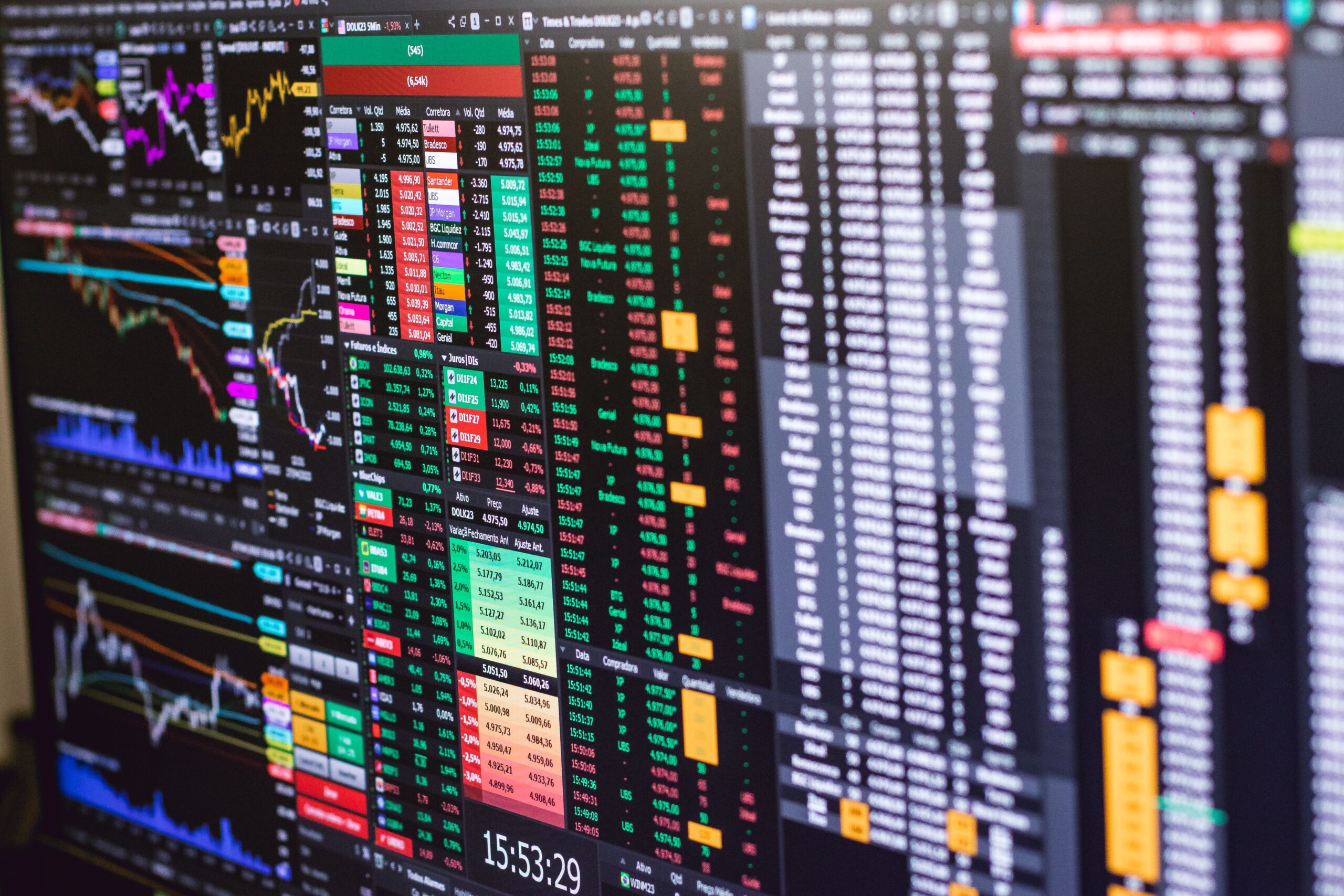
The best AI trading software in 2026 can help traders analyze markets, identify potential opportunities, test strategies, and automate selected trading tasks. These platforms combine artificial intelligence, technical indicators, market data, and algorithmic tools to support faster decisions.
However, not every AI trading platform offers the same features. Some focus on stock screening and market signals. Others specialize in strategy backtesting, cryptocurrency trading bots, or automated order execution. Choosing the right software depends on your trading experience, budget, preferred assets, and risk tolerance.
In this guide, we compare leading AI trading tools, examine pricing considerations, and explain which features deserve attention before you subscribe. You will also learn how to evaluate automation tools without relying on unrealistic profit promises.
What Is AI Trading Software?
AI trading software uses artificial intelligence or algorithmic techniques to assist with financial market analysis. Depending on the platform, it may process price data, recognize patterns, generate trading signals, or help build automated strategies.
Some tools only provide research and alerts. Others connect to supported brokers or cryptocurrency exchanges to execute trades according to predefined rules.
Common capabilities include:
- AI market analysis: Identifies patterns and summarizes market information.
- Automated stock screening: Filters securities using selected criteria.
- Strategy backtesting: Evaluates trading rules against historical data.
- Trading bots: Execute predefined strategies when conditions are met.
- Risk management: Supports stop-loss rules, position sizing, and exposure limits.
- Price alerts: Notifies users when specific market conditions occur.
AI tools can improve efficiency, but they cannot predict every market movement. Past performance also does not guarantee future results.
Best AI Trading Software in 2026: Top Platforms Compared
The following platforms serve different trading needs. Compare their core strengths before choosing a subscription. Pricing and feature availability can change, so confirm current terms on each provider’s official website.
1. Trade Ideas: AI Stock Scanning and Trading Signals
Trade Ideas is designed for active stock traders who need real-time market scanning and potential trade setups. Its AI-powered analysis tools help users examine stocks against changing market conditions.
The platform is particularly relevant to day traders who need to screen many securities quickly. Depending on the subscription, users can access scanning tools, alerts, and advanced strategy features.
Key features:
- AI-powered stock scanning and signals.
- Real-time market monitoring tools.
- Alerts for potential trading opportunities.
- Advanced analysis features on eligible plans.
Pricing: Paid subscriptions vary by plan and billing schedule. Check the official Trade Ideas website for current prices and feature limits.
Best for: Active traders seeking stock-screening tools and AI-assisted market research.
2. TrendSpider: Automated Technical Analysis
TrendSpider combines technical analysis, automated charting, market scanning, and strategy-development tools. It can help traders examine trendlines, identify technical patterns, and test trading ideas.
Its automation features may reduce repetitive chart analysis. Traders can also explore alerts and trading bots, depending on their subscription and supported integrations.
Key features:
- Automated technical analysis.
- Multi-timeframe chart analysis.
- Strategy testing and market scanners.
- AI-assisted research and trading automation.
Pricing: TrendSpider offers paid plans and trial options. The cost depends on the selected tier, billing arrangement, and available promotions. Review the official TrendSpider pricing page before purchasing.
Best for: Technical traders who want to streamline chart analysis and develop systematic strategies.
3. TradingView: Charting, Indicators, and Market Alerts
TradingView is a popular platform for charting, technical analysis, indicators, and market alerts. Although it is not exclusively an AI trading bot, it can form an important part of an AI-assisted trading workflow.
Users can study different markets, create custom indicators, and develop rule-based strategies with Pine Script. Alerts and supported integrations can also help connect analysis to external automation systems.
Key features:
- Advanced interactive charts.
- Technical indicators and custom scripts.
- Strategy testing and price alerts.
- Community-created trading ideas.
Pricing: A free option and paid subscription tiers may be available. Check the TradingView pricing page for current plan limits and billing details.
Best for: Beginners and experienced traders who prioritize charting, technical analysis, and flexible research tools.
4. 3Commas: Cryptocurrency Trading Automation
3Commas focuses on cryptocurrency trading automation. It provides tools for configuring trading bots and managing strategies through supported exchange connections.
Depending on the plan and exchange, users can explore automated orders, dollar-cost averaging strategies, and portfolio management features. These tools can simplify repetitive tasks, but they do not eliminate cryptocurrency market risk.
Key features:
- Cryptocurrency trading bots.
- Automated strategy rules.
- Exchange integrations where supported.
- Tools for managing multiple trading strategies.
Pricing: Subscription costs and bot limits vary by plan. Visit the official 3Commas website to review current options, supported exchanges, and security requirements.
Best for: Crypto traders who want to automate selected trading strategies across supported exchanges.
5. Interactive Brokers: AI-Assisted Investment Research
Interactive Brokers offers access to a broad range of financial markets and trading tools. Its AI Hub provides research and analysis capabilities that can help investors work with market information.
Its AI integrations are useful for research workflows, but users should distinguish AI-assisted analysis from fully autonomous trading. Some integrations generate instructions for the user to review rather than submitting orders automatically.
Key features:
- Access to multiple asset classes and global markets.
- AI-assisted research and screening.
- Professional trading tools.
- Brokerage infrastructure and risk controls.
Pricing: AI tools may be included without an additional software subscription, but brokerage commissions, market data, and other fees can still apply. Review the Interactive Brokers AI Hub and the relevant regional fee schedule.
Best for: Investors who want AI-assisted research alongside an established multi-asset brokerage platform.
AI Trading Software Pricing Comparison
The lowest subscription price is not always the best value. A platform with a higher monthly fee may offer essential automation tools, while a cheaper option may require separate data subscriptions or third-party integrations.
| Platform | Main purpose | Pricing model | Ideal user |
|---|---|---|---|
| Trade Ideas | AI stock scanning | Free and paid options; verify current tiers | Active stock traders |
| TrendSpider | Technical analysis and strategy automation | Paid plans and trial options | Technical traders |
| TradingView | Charting and alerts | Free and paid tiers | Chart-focused traders |
| 3Commas | Crypto trading bots | Plan-based subscriptions | Cryptocurrency traders |
| Interactive Brokers | AI-assisted research and brokerage | Brokerage fees and applicable data costs | Multi-asset investors |
For accurate budgeting, calculate the total cost of ownership rather than comparing subscription fees alone.
What Costs Should You Check?
- Monthly or annual subscriptions: Compare recurring charges and cancellation terms.
- Brokerage commissions: Check whether each transaction incurs a fee.
- Market data: Real-time quotes may require additional subscriptions.
- Exchange fees: Cryptocurrency trading may involve transaction and withdrawal charges.
- Automation integrations: External APIs or connectors may carry separate costs.
- Trading spreads and slippage: Execution costs can reduce actual returns.
For example, a $50 monthly subscription costs $600 per year before trading expenses. If market data adds $20 per month, the annual software and data budget rises to $840. Calculate these costs before committing capital.
Essential Features to Look for in AI Trading Tools
1. Reliable Backtesting
Backtesting evaluates how a strategy would have performed on historical data. Look for realistic transaction costs, suitable market data, and clear performance statistics. Avoid trusting results that ignore slippage or assume perfect execution.
2. Risk Management Controls
Effective AI trading software should support sensible risk controls. These may include stop-loss orders, position limits, maximum daily losses, and exposure monitoring. Confirm whether these controls are enforced by the software, broker, or exchange.
3. Transparent Automation
Understand exactly when a bot can open or close a position. Check whether you can pause automation, revoke API permissions, and review trade logs. Clear documentation is more valuable than vague claims about advanced intelligence.
4. Paper Trading and Simulation
Paper trading allows you to test strategies without risking real money. Use it to identify configuration errors and understand how the system responds to market conditions. However, simulated fills may differ from live execution.
5. Security and Broker Compatibility
Confirm that the platform supports your broker or exchange. Use strong passwords and multifactor authentication. When connecting an API, grant only the permissions required. Avoid withdrawal permissions unless they are genuinely necessary and supported by a well-justified workflow.
How to Choose the Best AI Trading Software in 2026
The right platform depends on your objectives. Follow these steps to narrow your choices.
- Define your market: Decide whether you trade stocks, options, futures, forex, or cryptocurrencies.
- Set a realistic budget: Include subscriptions, market data, commissions, and other expenses.
- Choose your automation level: Decide whether you need research assistance, alerts, or automatic order execution.
- Test the platform: Use a demo or paper-trading environment before risking capital.
- Evaluate the evidence: Review methodology, drawdowns, transaction costs, and out-of-sample results.
- Check regulatory and security details: Verify the provider, broker, and applicable protections.
Beginners may benefit from starting with charting and alerts. More experienced traders may prefer systematic backtesting and controlled automation. Neither approach guarantees profits.
Can AI Trading Bots Generate Passive Income?
Some people explore automated trading as a potential source of passive income. However, trading bots still require monitoring, strategy updates, and risk management. Losses can occur even when software operates exactly as designed.
AI trading should not be treated as guaranteed income or a substitute for a diversified financial plan. The U.S. Commodity Futures Trading Commission warns consumers about AI trading schemes that promise extraordinary or guaranteed returns. Read its AI trading bot advisory before committing money.
Trading software also differs from business models such as affiliate marketing and a dropshipping business. Those models generate revenue through sales or referrals, while trading depends on market outcomes and exposes capital to potential losses. Comparing affiliate vs dropshipping may be useful when researching an online business, but neither model should be confused with automated investing.
Common AI Trading Software Mistakes to Avoid
- Buying software because an advertisement promises guaranteed profits.
- Using a strategy without understanding its underlying rules.
- Ignoring subscription costs and trading expenses.
- Optimizing a backtest until it looks profitable without testing new data.
- Giving bots unnecessary access to brokerage or exchange accounts.
- Risking money you cannot afford to lose.
Be especially careful with providers that hide their ownership, refuse to explain their methods, or pressure you to deposit funds quickly. AI branding does not establish that a platform is legitimate or effective.
Frequently Asked Questions
What is the best AI trading software in 2026?
The best choice depends on your needs. Trade Ideas suits AI-assisted stock scanning, TrendSpider supports automated technical analysis, TradingView emphasizes charting, 3Commas focuses on crypto automation, and Interactive Brokers offers AI-assisted research within a brokerage environment.
Is free AI trading software available?
Some platforms provide free tiers, limited tools, or trial access. However, advanced data, automation, and integrations may require paid subscriptions. Review the complete fee schedule before connecting a live account.
Can AI trading software execute trades automatically?
Some platforms support automated execution through native features, broker integrations, or exchange APIs. Others only generate signals and alerts. Always confirm the execution method and available safeguards.
Is AI trading software safe for beginners?
It can be useful for education and analysis, but it carries financial and technical risks. Beginners should start with simulated trading, learn basic risk management, and avoid unverified services promising guaranteed returns.
Final Verdict: Which AI Trading Platform Should You Choose?
The best AI trading software in 2026 is the platform that fits your market, strategy, budget, and risk controls. Trade Ideas is worth investigating for stock scanning. TrendSpider is suited to technical analysis and strategy development. TradingView offers versatile charting, while 3Commas serves crypto automation users. Interactive Brokers is a strong option for investors who want AI-assisted research alongside brokerage tools.
Before paying for any service, compare its actual features, test its workflow, and calculate all associated costs. Start with simulation, monitor performance carefully, and keep control of your trading decisions. AI can support a disciplined process, but it cannot remove market uncertainty or guarantee investment returns.
Disclaimer: This article is for educational and informational purposes only. It is not financial, investment, or tax advice. Trading involves risk, including the possible loss of your entire investment.