
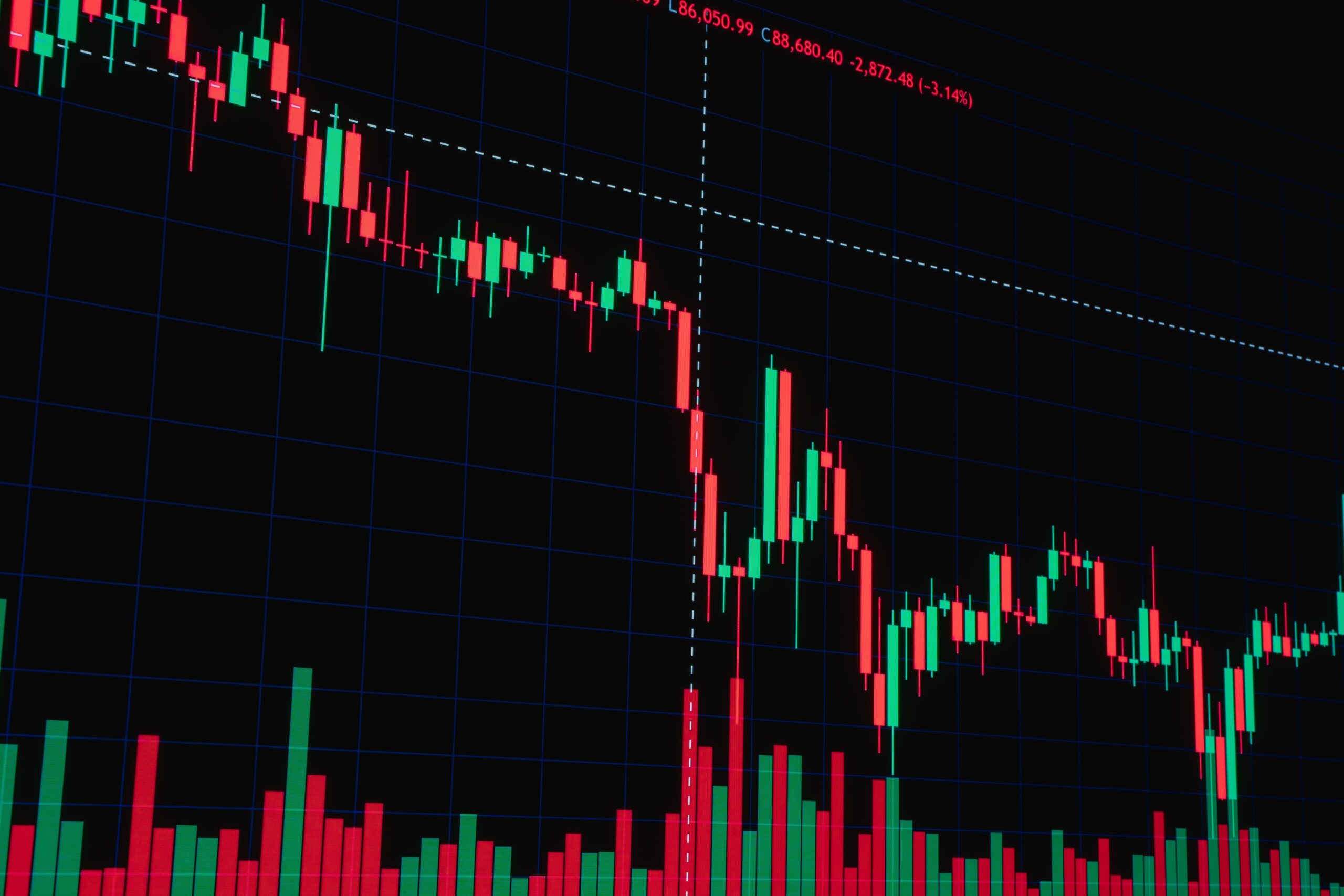
The stock market forecast 2026 is shaped by several important forces, including corporate earnings, interest rates, inflation, artificial intelligence, and global economic growth. These factors may create opportunities for investors. However, they can also increase market volatility and the risk of losses.
As 2026 progresses, investors need to look beyond daily stock price movements. Strong companies with sustainable earnings, manageable debt, and competitive advantages may offer better long-term opportunities than businesses driven mainly by speculation. At the same time, high valuations can limit future returns, even when a company’s business continues to grow.
Major investment institutions have highlighted both potential opportunities and important risks. For example, Morgan Stanley has discussed the role of earnings growth in supporting equities, while BlackRock has emphasized AI-related investment opportunities and constraints in areas such as infrastructure. These views illustrate why investors should consider several scenarios rather than rely on one prediction.
This guide examines expert market expectations, promising investment trends, potential growth sectors, and practical strategies for building a diversified portfolio in 2026.
1. Stock Market Forecast 2026: The Main Economic Drivers
The direction of the stock market depends on more than investor sentiment. Economic conditions influence business profits, borrowing costs, and the amount investors are willing to pay for future earnings.
Interest Rates and Federal Reserve Policy
Interest rates remain an important factor in the 2026 stock market outlook. When borrowing costs decline, businesses may find it easier to finance expansion. Consumers may also have more room to spend. Lower interest rates can support stock valuations because future earnings become more attractive relative to fixed-income investments.
However, rate cuts do not automatically lead to a rising stock market. If central banks reduce rates because economic conditions are deteriorating, weaker corporate earnings may offset the benefits. Persistent inflation could also keep borrowing costs elevated for longer than investors expect.
Investors should monitor Federal Reserve announcements, inflation reports, employment data, and Treasury yields. The Federal Reserve’s official meeting calendar provides a useful starting point for tracking policy decisions.
Corporate Earnings and Revenue Growth
Corporate earnings are another major driver of stock performance. Companies can support higher share prices when they consistently increase revenue, improve operating margins, and generate strong cash flow.
In contrast, businesses with slowing sales or rising expenses may struggle even when the broader economy remains stable. Investors should review earnings reports, profit margins, debt levels, and management guidance before buying individual stocks.
For the remainder of 2026, a useful approach is to focus on the quality of earnings rather than revenue growth alone. Companies that convert sales into sustainable profits may be better positioned to handle economic uncertainty.
Inflation and Consumer Spending
Inflation affects household budgets and business costs. When prices rise quickly, consumers may reduce discretionary spending. Companies may also face higher wages, transportation expenses, and material costs.
On the other hand, moderate inflation combined with stable employment can support business growth. Investors should examine consumer spending, wage growth, and producer prices to understand whether companies can maintain healthy profit margins.
2. Expert Predictions for the Stock Market in 2026
There is no single expert consensus that guarantees how stocks will perform. Market outlooks vary because analysts use different assumptions about earnings, valuations, inflation, interest rates, and geopolitical risks.
Some investment managers remain constructive on equities because of corporate earnings growth and investment in new technologies. Others warn that elevated valuations, higher bond yields, and persistent inflation could create setbacks. Investors should consider both perspectives when evaluating the stock market forecast for 2026.
The Bullish Scenario
In a bullish scenario, corporate earnings continue to grow, inflation becomes more manageable, and economic activity remains resilient. Technology investment could improve productivity, while lower financing pressure could support business expansion.
Under these conditions, stocks across several industries may benefit. Technology companies could gain from AI adoption, financial firms could benefit from healthy lending activity, and industrial businesses could gain from infrastructure spending.
However, a bullish scenario does not mean every stock will rise. Investors may still face losses when companies fail to meet earnings expectations or trade at prices that already reflect strong future growth.
The Bearish Scenario
A bearish scenario could develop if inflation remains stubborn, bond yields rise, or economic growth slows sharply. Geopolitical tensions and energy price increases could also pressure corporate margins.
High-valuation stocks may be especially vulnerable because much of their perceived value depends on future earnings. If investors become less confident about those earnings, share prices may fall even when companies continue to generate revenue.
Investors can prepare by avoiding excessive leverage, maintaining appropriate cash reserves, and spreading investments across different asset classes. These measures cannot eliminate losses, but they may reduce the impact of a market downturn.
The Most Practical Base Case
Rather than predicting one exact index target, investors can prepare for a market that offers selective opportunities alongside meaningful risks. Earnings growth may support some stocks, while expensive valuations and changing interest-rate expectations could create periods of volatility.
This balanced approach encourages investors to compare business fundamentals, valuation, and portfolio risk instead of making decisions based on optimistic or pessimistic headlines alone.
3. Best Stock Market Investment Trends to Watch in 2026
Several long-term trends may create opportunities for investors. The strongest opportunities will depend on actual customer demand, profitable business models, and reasonable entry prices.
Artificial Intelligence and Semiconductor Stocks
Artificial intelligence remains a major investment theme. Companies developing AI software, semiconductor chips, cloud infrastructure, and data centers may benefit as businesses adopt automated tools and advanced computing systems.
Nevertheless, AI exposure does not guarantee investment success. Some companies may spend heavily without generating sufficient returns. Others may face competition, regulation, supply constraints, or declining prices for their products.
Before investing in AI stocks in 2026, compare revenue growth, operating margins, capital expenditure, free cash flow, and valuation. Also consider companies that help businesses use AI productively, rather than focusing exclusively on the largest technology names.
Cybersecurity and Cloud Computing
As organizations move more operations online, they need reliable cloud services and stronger digital security. Cybersecurity companies may benefit from demand for identity protection, threat detection, data security, and regulatory compliance.
Cloud computing providers may also benefit as companies modernize their technology systems. However, investors should evaluate customer retention, competition, pricing pressure, and profitability before selecting individual businesses.
Healthcare and Biotechnology
Healthcare can offer exposure to long-term demand for medical services, treatments, and diagnostic technology. Established healthcare companies may provide different risk characteristics from early-stage biotechnology firms.
Biotechnology stocks can deliver substantial gains when treatments succeed. However, clinical trial failures, regulatory decisions, and financing requirements can cause significant losses. Investors should understand these risks before buying speculative healthcare shares.
Clean Energy and Infrastructure
Electricity demand, grid upgrades, data-center construction, and energy security may support selected infrastructure and energy businesses. Companies supplying electrical equipment, power systems, industrial components, and energy services could benefit from these developments.
Still, project delays, government policy changes, financing costs, and commodity prices can affect results. Investors should distinguish companies with established contracts and cash flow from businesses that depend mainly on future expectations.
Dividend Stocks and Financial Companies
Dividend-paying companies may appeal to investors seeking regular cash distributions. Established businesses with stable earnings can provide income while offering potential long-term capital appreciation.
Financial companies, including banks and insurers, may also present opportunities when lending activity, underwriting performance, and investment income remain healthy. Their results can vary considerably with interest rates, credit losses, and economic conditions.
Always examine dividend coverage and balance-sheet strength. An unusually high dividend yield may signal financial stress rather than a bargain.
4. Growth Opportunities: Large-Cap, Mid-Cap, and Small-Cap Stocks
Company size can influence growth potential and investment risk. A diversified portfolio may include businesses of different sizes instead of depending entirely on one market segment.
Large-Cap Stocks
Large-cap companies often have established brands, broad customer bases, and access to capital. Some also generate substantial free cash flow and pay dividends.
However, large businesses can face slower growth as they mature. Their stocks may also become expensive when investor enthusiasm concentrates on a small group of popular companies.
Mid-Cap Stocks
Mid-cap companies may offer a balance between established operations and room for expansion. Businesses with strong products, growing market share, and improving profitability can be attractive candidates for further research.
Investors should still assess competitive advantages, management quality, debt, and valuation. Mid-cap stocks can be more volatile than larger companies during market stress.
Small-Cap Stocks
Small-cap companies can offer significant growth potential, particularly in specialized industries. However, they may have limited financing options, less predictable earnings, and lower trading liquidity.
Consider small-cap exposure carefully and avoid investing money that may be needed soon. A broad small-cap fund can help reduce dependence on the success of a single company, although it cannot eliminate market risk.
5. ETFs vs. Individual Stocks: Which Strategy Is Better?
The choice between exchange-traded funds and individual stocks depends on your experience, available time, financial goals, and tolerance for risk.
Why Investors Consider ETFs
Many investors use stock market ETFs to gain exposure to multiple companies through one investment. Broad-market index ETFs can spread money across numerous businesses and reduce company-specific risk.
ETFs may also simplify portfolio management and reduce the need to research every individual stock. However, fund expenses, index concentration, tracking differences, and market declines still matter.
When Individual Stocks May Make Sense
Buying individual stocks allows investors to select companies they believe have strong long-term prospects. Successful stock selection may outperform a broad index, but underperforming investments can also damage returns.
Investors should study financial statements, competitive advantages, valuation, and business risks before purchasing shares. Avoid concentrating too much money in one company or industry.
For many beginners, a diversified, low-cost index fund may provide a simpler starting point than attempting to predict which individual stocks will outperform in 2026.
6. How to Build a Stock Market Investment Strategy for 2026
A clear strategy can help investors make consistent decisions during periods of uncertainty. Instead of reacting to every market headline, establish a plan that reflects your goals and financial circumstances.
Step 1: Define Your Investment Goals
Identify whether you are investing for retirement, a home purchase, education, or long-term wealth accumulation. Your time horizon should influence the amount of market risk you take.
Money needed within a short period generally should not depend heavily on stock market performance. Stocks are more suitable for investors who can tolerate fluctuations and leave investments untouched when conditions become difficult.
Step 2: Review Your Risk Tolerance
Consider how you would respond if your portfolio declined substantially. If a temporary loss would force you to sell investments or affect essential expenses, your portfolio may carry too much risk.
Maintain an emergency fund appropriate for your circumstances and address high-interest debt before taking unnecessary investment risks. These financial foundations can reduce the pressure to sell during market downturns.
Step 3: Diversify Across Investments
Portfolio diversification means spreading investments across different companies, industries, regions, and asset classes. It helps reduce dependence on a single source of returns.
For example, a portfolio might combine broad-market stock funds, selected individual stocks, high-quality bonds, and cash reserves. The appropriate mix depends on your goals, age, financial obligations, and risk capacity.
Step 4: Use Dollar-Cost Averaging Carefully
Dollar-cost averaging involves investing a fixed amount at regular intervals. This approach can help build a consistent investing habit and reduce the pressure to choose the perfect entry point.
It does not guarantee profits or prevent losses. When investing a large amount of available cash, compare the potential benefits of investing immediately with the emotional and financial comfort of spreading purchases over time.
Step 5: Rebalance and Review
Review your investments periodically to ensure they remain aligned with your plan. Rebalancing means adjusting holdings when market movements cause your portfolio to move away from its intended allocation.
Also check fund fees, company earnings, investment concentration, and changes in your financial goals. Avoid unnecessary trading based on short-term forecasts.
7. Common Stock Market Investing Mistakes to Avoid
Even promising market conditions can produce disappointing investment results when investors make avoidable mistakes. Keep the following risks in mind.
- Chasing hype: Buying a popular stock without examining its valuation or financial performance can expose you to excessive risk.
- Trying to time every market move: Repeatedly buying and selling based on headlines can increase costs and lead to missed recoveries.
- Ignoring diversification: Concentrating investments in one sector may amplify losses when that industry weakens.
- Using excessive leverage: Borrowed money can magnify both gains and losses, potentially forcing sales at unfavorable prices.
- Overlooking fees and taxes: Trading costs, fund expenses, and applicable taxes can reduce your net returns.
- Trusting guaranteed-return claims: Legitimate stock market investments do not guarantee positive returns.
For additional guidance, visit the SEC’s Investor.gov website. It provides educational resources about investing, diversification, investment products, and fraud prevention.
8. Can Stock Market Investing Generate Passive Income?
Stock market investing can support long-term wealth building and may generate income through dividends and certain investment funds. However, income levels fluctuate, and stock prices can decline.
Investors seeking passive income should understand the difference between dividend income, interest income, and capital gains. Dividend payments are not guaranteed, and selling investments to generate cash can reduce the value of a portfolio.
People building an online business may also invest part of their profits for long-term financial goals. For example, income from affiliate marketing or a dropshipping business could eventually contribute to a diversified investment plan, depending on business cash flow and personal circumstances.
However, business income and investment returns involve different risks. Comparing affiliate vs dropshipping business models is a separate decision from choosing stocks. Keep operating funds, tax reserves, and emergency savings separate from money invested in the market.
9. Where to Find Reliable Stock Market Forecasts
Reliable investment research should include multiple perspectives and transparent assumptions. No single analyst, financial website, or market model can predict future returns with certainty.
Useful sources include:
- Federal Reserve for monetary policy announcements and economic projections.
- SEC EDGAR for company filings and financial disclosures.
- Investor.gov for investor education and risk-management guidance.
- Morgan Stanley Insights for investment outlooks and market analysis.
- BlackRock for market outlooks and asset-allocation research.
Compare forecasts with actual economic data and company results. Pay particular attention to publication dates, valuation assumptions, earnings expectations, and downside risks. Treat price targets as estimates rather than promises.
Conclusion: What the Stock Market Forecast 2026 Means for Investors
The stock market forecast 2026 presents a combination of growth opportunities and uncertainty. Artificial intelligence, cybersecurity, healthcare, infrastructure, and financially strong companies may attract investor attention. At the same time, inflation, interest rates, valuations, and geopolitical developments could create significant market swings.
The most practical strategy is to focus on fundamentals, diversify investments, manage costs, and maintain a time horizon that matches your financial goals. Avoid building a portfolio around one market prediction or a handful of fashionable stocks.
Although no strategy can guarantee success, disciplined investing can help you make more informed decisions. Research opportunities carefully, understand the risks, and review your portfolio as economic conditions and personal needs change.
Disclaimer: This article is for educational purposes only and does not constitute personalized financial, tax, or investment advice. Investments can lose value. Consider your financial circumstances and consult a qualified financial professional before making major investment decisions.