
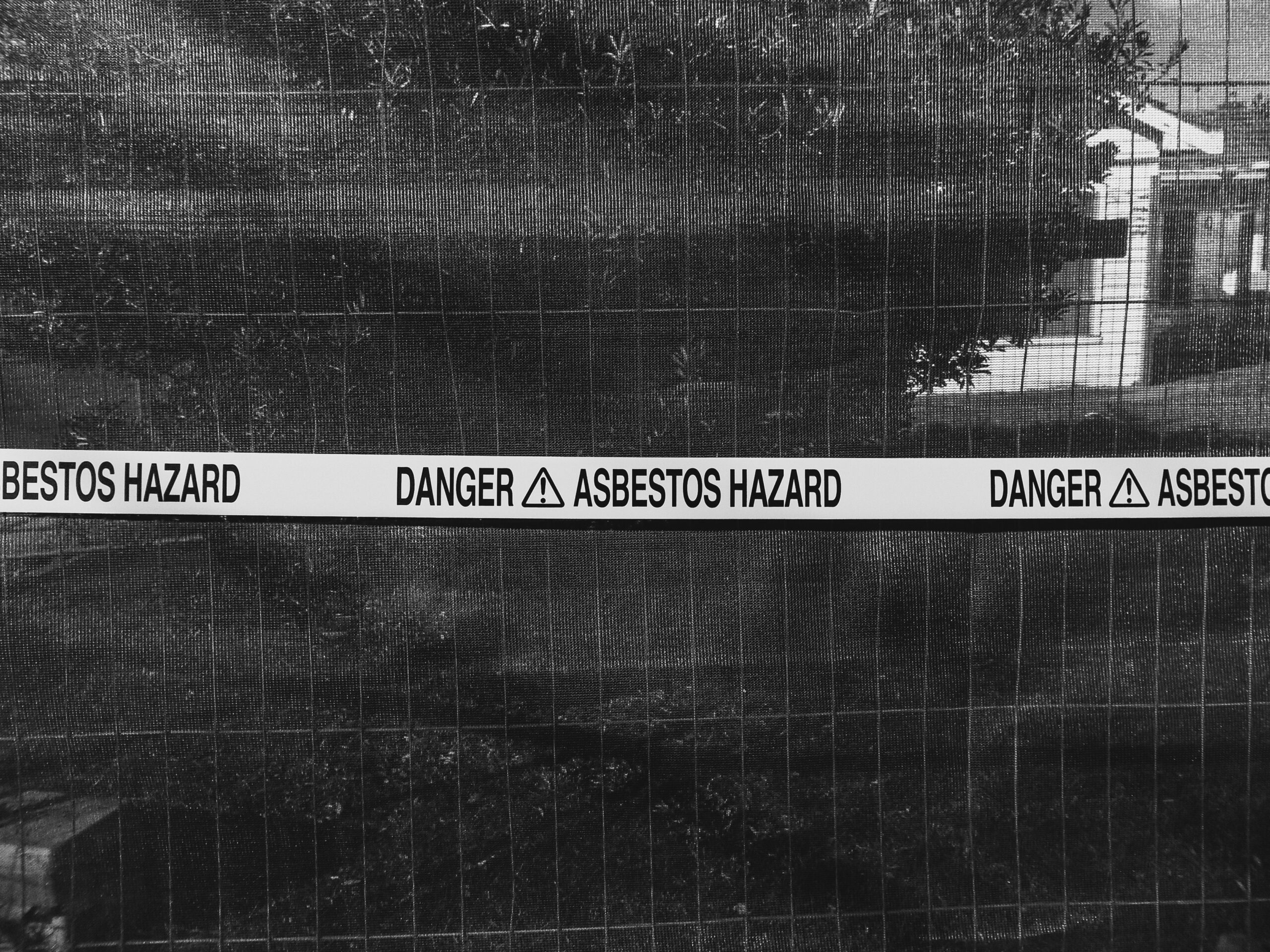
Asbestos exposure can have serious consequences for workers, veterans, homeowners, and their families. Years after exposure, some people develop mesothelioma, lung cancer, or other asbestos-related diseases. These conditions can create substantial medical expenses, lost income, and emotional stress.
If you or a loved one has been affected, a Chicago asbestos exposure lawyer can help you understand your legal options. Depending on your circumstances, you may be able to pursue an asbestos lawsuit, submit a claim to an asbestos bankruptcy trust fund, or explore other compensation sources.
In 2026, understanding your rights is especially important because asbestos claims involve deadlines, detailed exposure histories, and different rules for each potential defendant. This guide explains the available options, attorney fees, trust fund claims, and practical steps you can take to protect your interests.
What Does a Chicago Asbestos Exposure Lawyer Do?
A Chicago asbestos exposure lawyer represents people who believe their illness resulted from exposure to asbestos-containing products or materials. These attorneys investigate where exposure occurred and identify the companies that may be legally responsible.
Asbestos was historically used in insulation, construction materials, industrial equipment, automotive components, and other products. Exposure could occur in factories, power plants, shipyards, construction sites, schools, and residential buildings.
A lawyer experienced in asbestos litigation may help with:
- Reviewing medical records and confirming the diagnosis.
- Investigating occupational, military, household, and environmental exposure.
- Identifying manufacturers, suppliers, contractors, and other potentially responsible parties.
- Evaluating eligibility for asbestos trust fund claims.
- Preparing lawsuits and negotiating settlements.
- Assessing medical expenses, lost wages, and other potential damages.
- Explaining filing deadlines and representing clients in court when necessary.
Because asbestos-related diseases can take decades to develop, identifying the source of exposure may require historical employment records, product identification, witness statements, and expert testimony.
Who May Qualify for Asbestos Compensation in Chicago?
Eligibility depends on the diagnosis, exposure history, applicable law, and available evidence. A person does not necessarily need to have worked directly with asbestos to investigate a potential claim.
Construction and Industrial Workers
Construction workers, electricians, plumbers, pipefitters, mechanics, factory employees, and industrial maintenance workers may have encountered asbestos while performing routine duties. Insulation removal, equipment repair, demolition, and renovation could release dangerous fibers into the air.
Veterans and Military Personnel
Some veterans encountered asbestos in ships, military vehicles, barracks, machinery, and building materials. Veterans may have access to certain Department of Veterans Affairs benefits if they meet the relevant requirements. VA benefits are separate from civil lawsuits and asbestos trust fund claims.
Family Members and Secondary Exposure
In some circumstances, family members were exposed when workers brought asbestos fibers home on clothing, shoes, or equipment. Whether a secondary-exposure claim is available depends on the facts and applicable law.
People With Asbestos-Related Diseases
Potential claims may involve mesothelioma, asbestos-related lung cancer, asbestosis, and other conditions supported by medical evidence. The legal options differ by diagnosis and circumstances. An attorney can assess whether the available evidence supports a claim.
Asbestos Lawsuit Options in Chicago in 2026
A Chicago asbestos exposure lawyer can evaluate several possible routes to compensation. The appropriate approach depends on how exposure occurred, which companies were involved, and whether the responsible parties remain in business.
1. Personal Injury Lawsuits
A person diagnosed with an asbestos-related disease may be able to file a personal injury lawsuit against companies whose conduct contributed to the exposure. Potential defendants may include product manufacturers, suppliers, contractors, or property owners, depending on the circumstances.
A successful claim may seek compensation for medical bills, lost earnings, reduced earning capacity, pain and suffering, and other legally recoverable losses. The evidence must support the claims against each defendant.
2. Wrongful Death Lawsuits
When someone dies from an asbestos-related disease, eligible family members or the estate’s representative may be able to pursue a wrongful death or related claim. Illinois law determines who may bring the action and which damages may be available.
Potential damages can include certain financial losses, funeral expenses, and other losses recognized by law. The precise categories depend on the type of claim and the circumstances of the death.
3. Asbestos Bankruptcy Trust Fund Claims
Some companies facing extensive asbestos liabilities entered bankruptcy and established trust funds to compensate eligible claimants. These trusts operate under specific procedures, medical criteria, exposure requirements, and payment rules.
A claimant may qualify for a trust fund payment without filing a conventional lawsuit against the bankrupt company. However, eligibility is not automatic. Applicants usually need medical documentation and evidence connecting their exposure to a product, worksite, or company covered by the trust.
4. Veterans Benefits and Other Compensation
Eligible veterans may investigate VA disability compensation and related benefits. Workers may also have potential workers’ compensation rights, depending on their employment and the applicable rules. Insurance claims or other legal remedies may be relevant in certain cases.
These options have different eligibility requirements. Some claims may affect how other claims are handled, so it is important to understand any disclosure obligations, offsets, and coordination requirements before proceeding.
How Asbestos Trust Funds Work
Asbestos trust funds are an important part of the compensation process for some people affected by asbestos-related diseases. However, each trust has its own requirements and payment procedures.
Evidence Required for a Trust Fund Claim
Applicants may need to provide several types of documentation, including:
- Medical records confirming the diagnosis.
- Employment history and worksite records.
- Evidence identifying asbestos-containing products.
- Witness statements or coworker testimony.
- Military service records, when relevant.
- Other documents required by the particular trust.
A lawyer can review exposure history against the criteria of potentially relevant trusts. The investigation may identify more than one possible claim, but each submission must satisfy the relevant rules and reporting requirements.
How Much Can an Asbestos Trust Pay?
Trust payments vary widely. Each trust uses its own disease categories, payment schedules, review procedures, and valuation methods. Some claims receive scheduled payments, while others may be evaluated through different review options.
The amount a claimant actually receives may be lower than a trust’s scheduled value because payment percentages and other rules can apply. Therefore, a published payment figure should not be treated as a guaranteed award or a prediction of an individual claim’s value.
For additional background, visit the U.S. Department of Justice and review its bankruptcy resources. A lawyer can help identify the specific trust documents and procedures relevant to your exposure history.
How Much Compensation Can You Receive?
There is no single standard amount for an asbestos lawsuit in Chicago. Compensation depends on the diagnosis, severity of illness, evidence of exposure, financial losses, applicable law, and the financial circumstances of the defendants.
Potential compensation may include the following categories:
- Medical expenses: Eligible past and future treatment costs, medications, and related care.
- Lost income: Wages lost because of illness or treatment.
- Reduced earning capacity: Financial losses caused by an inability to continue working.
- Pain and suffering: Compensation where permitted for physical discomfort and related harm.
- Losses in wrongful death cases: Certain losses suffered by eligible beneficiaries under applicable law.
Some cases resolve through settlement, while others proceed to trial. Results vary significantly, and a high-profile verdict does not establish what another claimant should expect. Settlements may also involve confidentiality provisions or other conditions.
Before accepting an offer, review the proposed payment, attorney fees, case expenses, possible liens, and the effect of any release. A signed settlement agreement may prevent further claims against the parties it covers.
Illinois Asbestos Lawsuit Deadlines in 2026
Filing deadlines are among the most important issues in asbestos litigation. Illinois law contains time limits for personal injury and wrongful death actions, but the correct deadline depends on the type of claim and the circumstances.
Illinois generally applies a discovery-based framework to certain asbestos-related claims. The date of diagnosis, the date a person knew or reasonably should have known of an injury, the cause of the injury, and other legal factors may affect the analysis.
Wrongful death claims may be governed by different provisions. Trust fund claims also have their own filing procedures and requirements.
Do not assume that the deadline begins on the date of your first exposure or that every asbestos claim has the same limitation period. If you received a recent diagnosis or lost a family member to an asbestos-related disease, consult a qualified Illinois attorney promptly.
You can review official Illinois statutes through the Illinois General Assembly’s Illinois Compiled Statutes. A lawyer should verify the current provisions and their application to your case.
How to Choose the Best Chicago Asbestos Exposure Lawyer
Choosing the right lawyer can make a difference in how efficiently your claim is investigated and presented. Look for relevant experience rather than relying only on advertising or promises of a large settlement.
Review Asbestos Litigation Experience
Ask whether the attorney has handled mesothelioma, lung cancer, asbestosis, or other asbestos-related claims similar to yours. Experience with historical exposure investigations and bankruptcy trusts may also be valuable.
Understand Attorney Fees and Case Expenses
Many asbestos injury lawyers offer contingency-fee arrangements. Under this structure, the attorney’s fee is generally tied to a recovery rather than billed as a standard hourly fee. However, the percentage, expense policy, and treatment of costs vary by agreement.
Ask these questions before signing:
- What percentage will the attorney receive if the case settles or goes to trial?
- Are filing fees, expert witness fees, and record-retrieval costs charged separately?
- Who pays case expenses if there is no recovery?
- How are liens and other deductions handled?
- Will the firm explain the expected net recovery in writing?
Check Communication and Case Management
Ask who will manage your claim, how frequently the firm provides updates, and whether you can speak directly with the attorney responsible for major decisions. Clear communication is particularly important when a claimant is undergoing treatment or managing a family member’s care.
Be cautious of guaranteed results, pressure to sign immediately, or claims that every client receives a specific settlement amount.
Steps to Take After Suspected Asbestos Exposure
If you suspect that past asbestos exposure contributed to an illness, practical steps can help preserve important information.
- Seek medical advice. Discuss your exposure history and symptoms with a qualified healthcare professional.
- Collect employment records. Preserve job histories, union records, worksite details, and military service documents where relevant.
- Keep medical documentation. Maintain copies of diagnostic reports, treatment records, and related expenses.
- Write down exposure details. Record the names of employers, contractors, products, and coworkers you remember.
- Consult an asbestos attorney. Ask about lawsuits, trust funds, deadlines, and alternative benefits.
- Review all claim documents carefully. Understand any releases, disclosures, deductions, and deadlines before signing.
Do not delay medical care while gathering legal evidence. Your health comes first, and records can often be collected with appropriate authorization.
Frequently Asked Questions
Can I file an asbestos lawsuit if exposure happened decades ago?
Possibly. Asbestos-related diseases can develop many years after exposure. However, eligibility depends on the diagnosis, applicable limitation periods, available evidence, and other legal requirements. Obtain advice promptly rather than assuming a claim is either valid or too late.
Can I file a lawsuit and an asbestos trust fund claim?
In some circumstances, a claimant may pursue both types of claims. The rules depend on the defendants, trusts, exposure evidence, and applicable disclosure requirements. Claims must be handled consistently and accurately.
Do I have to go to court?
Not necessarily. Many civil claims resolve through settlement, but some proceed to trial. Your attorney can explain the possible routes and the risks associated with each option.
How much does a Chicago asbestos lawyer cost?
Some firms offer free initial consultations and contingency-fee representation. The actual fee and case expenses depend on the written agreement. Request a clear explanation of all potential deductions before hiring a lawyer.
What if the company responsible for my exposure went bankrupt?
A bankruptcy trust may be available if the company established one and your claim meets its requirements. Other legal options may also exist, depending on the facts. An attorney can investigate which companies and trusts are relevant.
Conclusion: Protect Your Rights After Asbestos Exposure
Asbestos-related illnesses can place a heavy burden on individuals and families. Understanding the available legal options can help you make informed decisions about treatment costs, lost income, and potential compensation.
A knowledgeable Chicago asbestos exposure lawyer can investigate your exposure history, assess possible lawsuits, review asbestos trust fund eligibility, and explain the deadlines that may apply in 2026. The right approach depends on your diagnosis, evidence, and individual circumstances.
Start by organizing your medical and employment records, then seek advice from a qualified Illinois attorney. Ask about legal fees, case expenses, trust fund procedures, and realistic expectations. Early investigation can help preserve evidence and clarify the options available to you.
Disclaimer: This article is for general informational purposes only and does not constitute legal or medical advice. Laws and filing deadlines may change. Consult a qualified Illinois attorney about your specific circumstances.