
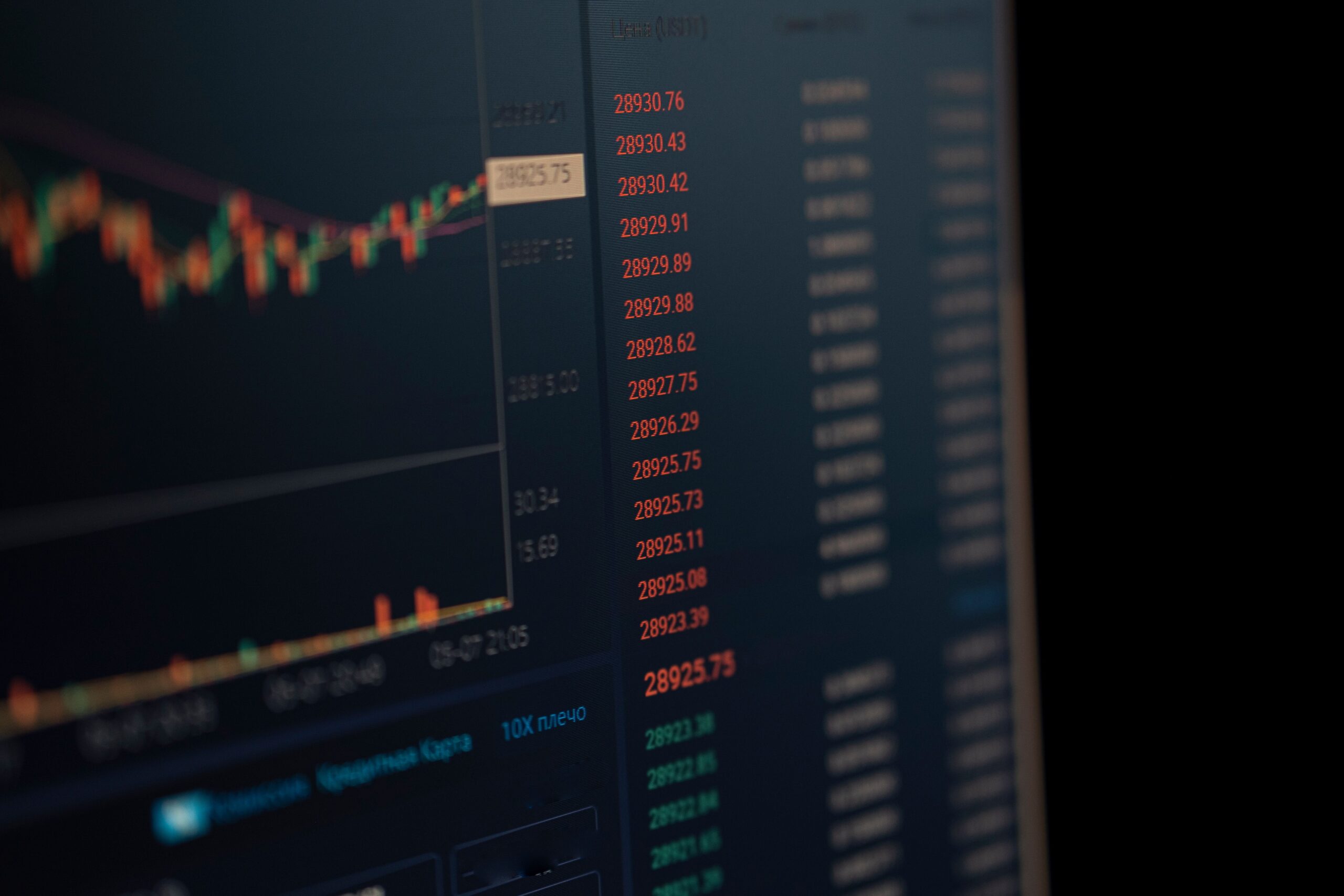
Choosing the best forex trading platforms in 2026 can make a meaningful difference to your trading experience and overall costs. The right platform provides competitive spreads, transparent fees, reliable order execution, useful charting tools, and access to a properly regulated broker.
However, not every forex trading platform suits every investor. Beginners may prefer simple interfaces and educational resources. Experienced traders may need advanced technical indicators, automated strategies, and detailed market analysis. Meanwhile, frequent traders often focus on spreads and commissions because small cost differences can accumulate over time.
This guide compares popular forex trading platforms, explains broker fees, and highlights essential features to review before opening an account. It also covers risk management and practical steps for choosing a platform that matches your trading goals.
What Are Forex Trading Platforms?
A forex trading platform is software that allows traders to monitor currency prices, analyze charts, place orders, and manage open positions. Most platforms are available through a web browser, desktop application, or mobile app.
Some platforms are developed by brokers. Others, such as MetaTrader and TradingView, provide charting and trading technology that may connect to supported brokers. Therefore, it is important to distinguish the software from the company holding your trading account.
A platform may offer excellent charts but connect to a broker with expensive spreads. Conversely, a low-cost broker may provide limited research tools. Comparing both components helps you make a better decision.
Best Forex Trading Platforms in 2026: Top Options Compared
The following providers and software options are worth researching. Availability, account types, fees, and regulatory protections depend on your country of residence and the specific legal entity you use.
1. MetaTrader 4: Best for Traditional Forex Trading
MetaTrader 4 (MT4) remains a widely used choice for currency traders who prefer technical analysis and automated trading. Its familiar charting interface, customizable indicators, and Expert Advisors support systematic trading strategies.
Key features include:
- Technical indicators and customizable charts.
- Automated strategies through Expert Advisors.
- Market, limit, and stop-order functionality, subject to broker support.
- Desktop, mobile, and web access where offered.
MT4 is particularly useful for traders who already understand technical analysis. However, available instruments and execution conditions depend on the connected broker. Check whether your provider supports the version and features you need.
Visit the official MetaTrader 4 website for platform information.
2. MetaTrader 5: Best for Advanced Trading Tools
MetaTrader 5 (MT5) builds on the familiar MetaTrader experience with additional analytical tools, more order types, and a broader range of market capabilities. Depending on the broker, it may support forex, commodities, indices, stocks, and other instruments.
MT5 also includes an advanced strategy-testing environment. This can help traders evaluate automated systems against historical market data before considering live deployment.
However, historical testing cannot guarantee future profits. Results may differ because of spreads, slippage, market conditions, and execution delays. Traders should also confirm that their chosen broker supports MT5 in their jurisdiction.
Explore the official MetaTrader 5 website to review its features.
3. TradingView: Best for Charting and Market Analysis
TradingView is popular with traders who prioritize visual analysis and customizable charts. It provides technical indicators, drawing tools, price alerts, and community-published analysis.
Its browser-based design makes it convenient to analyze markets across different devices. Supported broker integrations may also allow eligible users to trade through the charting interface.
One important consideration is that access to trading, market data, and premium features varies. A subscription may be necessary for certain advanced capabilities. In addition, connecting a broker does not eliminate that broker’s commissions, spreads, or financing charges.
Visit TradingView to compare its available plans and tools.
4. OANDA: Best for Transparent Forex Pricing
OANDA is a forex provider worth comparing for its pricing information, trading tools, and supported platform integrations. Depending on the region, clients may have access to proprietary tools, MetaTrader, or TradingView integration.
OANDA publishes pricing information for eligible accounts, helping traders understand the relationship between spreads and commissions. For example, its US pricing page describes spread-only pricing and an Elite Trader program for qualifying trading volumes.
Before opening an account, review the pricing page for your country. Do not assume that US account terms apply internationally. Minimum deposits, eligible instruments, and regulatory protections can differ by legal entity.
Review OANDA’s official website for current regional offerings.
5. FOREX.com: Best for Research and Trading Education
FOREX.com offers forex trading services alongside market research, educational resources, and analytical tools. Depending on the account and location, its offering may include a proprietary platform, MetaTrader access, and charting integrations.
Its educational content can help newer traders understand currency pairs, order types, leverage, and technical analysis. More experienced users may appreciate its charting capabilities and research resources.
Nevertheless, compare the actual account pricing rather than relying on promotional descriptions. Check typical spreads, commissions, funding charges, and eligibility for active-trader discounts.
Visit FOREX.com’s official website for account-specific details.
6. IG: Best for a Broad Trading Experience
IG is another established provider to consider when comparing forex trading platforms. Depending on your region, its services may include proprietary trading software, charting tools, educational materials, and access to multiple markets.
Its platform options can appeal to traders who want research and order management within a connected trading environment. However, available instruments and software integrations vary across countries.
Review spreads, overnight financing, account eligibility, and withdrawal conditions before making a decision. You should also confirm the precise legal entity that will provide your account.
Find regional account information on IG’s official website.
Forex Trading Platform Comparison: Fees, Features, and Costs
The best choice depends on the combination of software, broker pricing, and account protections. Use this comparison as a starting point rather than a universal ranking.
| Platform or Provider | Main Strength | What to Compare |
|---|---|---|
| MetaTrader 4 | Traditional forex analysis and automation | Broker spreads, commissions, and supported features |
| MetaTrader 5 | Advanced analysis and strategy testing | Account compatibility and execution costs |
| TradingView | Charting, alerts, and visual analysis | Subscription fees, data access, and broker integration |
| OANDA | Forex pricing information and trading tools | Regional spreads, account terms, and commissions |
| FOREX.com | Research and educational resources | Account pricing, platform access, and financing |
| IG | Integrated trading and research experience | Regional availability, spreads, and product costs |
How Forex Trading Fees and Spreads Work
Understanding trading costs is essential when comparing the best forex brokers in 2026. A platform that advertises low spreads may still have other charges that affect your total expenses.
1. Bid-Ask Spread
The spread is the difference between the buying price and the selling price quoted for a currency pair. It is often measured in pips. A lower spread can reduce trading costs, particularly for frequent traders.
However, spreads can widen during major economic announcements, periods of low liquidity, and volatile market conditions. Compare typical spreads during the hours you actually trade, rather than relying only on minimum advertised figures.
2. Trading Commissions
Some brokers include their compensation in the spread. Others offer tighter spreads and charge a separate commission per trade or transaction volume.
For a fair comparison, calculate the total round-trip cost of opening and closing a position. Include both the spread and any applicable commission.
3. Overnight Financing Fees
Leveraged positions held overnight may incur financing charges or receive credits, depending on the currency pair, position direction, and account terms. These charges can become significant when positions remain open for several days.
Check the broker’s financing schedule before using a swing-trading or longer-term strategy.
4. Deposit, Withdrawal, and Conversion Fees
Some providers charge fees for particular payment methods, withdrawals, or currency conversions. Your bank or payment service may also impose additional costs.
Review the complete fee schedule before funding your account. A low advertised spread does not necessarily mean the lowest overall cost.
How to Choose the Best Forex Trading Platform for Your Needs
Check Regulatory Status First
Broker regulation should be a primary consideration. Verify the company’s legal name and license directly with the relevant regulator. In Singapore, for example, consult the Monetary Authority of Singapore (MAS) and its official directories.
Do not assume that a familiar brand name guarantees that every website or international affiliate is authorized. Confirm which legal entity will hold your account and what protections apply.
Test the Platform Before Depositing
A demo account can help you evaluate navigation, charting, order entry, and risk-management tools. Practice placing orders and setting stop-loss levels before considering live trading.
However, demo execution may not perfectly reproduce live spreads, slippage, liquidity, or emotional pressure. Treat practice trading as a learning tool rather than evidence of future profitability.
Compare Execution and Customer Support
Reliable order handling matters when markets move quickly. Review order types, execution policies, platform stability, and the broker’s approach to slippage. Test customer support with practical questions about fees, withdrawals, and account verification.
Match Features to Your Strategy
Beginners may prioritize educational resources and a simple interface. Technical traders may need customizable indicators and price alerts. Automated traders may require backtesting, supported APIs, or algorithmic execution.
Choose useful features instead of paying for tools you are unlikely to use.
Forex Trading Risks You Should Understand
Forex trading is not a guaranteed source of passive income. Currency prices can change rapidly, and leverage magnifies both gains and losses. Depending on the product and applicable protections, losses can be substantial and may exceed your initial expectations.
The US Commodity Futures Trading Commission explains that many retail customers trading off-exchange forex lose money after fees and other expenses. Read its forex customer advisory before risking capital.
Use position sizing, understand margin requirements, and avoid trading money needed for essential expenses. Be cautious of social media promotions promising guaranteed returns, managed-account profits, or risk-free automated systems.
Forex trading also differs from building an online business. If you are researching affiliate marketing, affiliate vs dropshipping, or a dropshipping business, evaluate those business models separately. They involve different costs, skills, and risks. Neither business income nor trading profits are guaranteed.
Frequently Asked Questions
What is the best forex trading platform in 2026?
There is no single best option for every trader. MetaTrader 4 and MetaTrader 5 offer familiar analysis and automation tools. TradingView emphasizes charting, while providers such as OANDA, FOREX.com, and IG offer broker-specific services. Your location, costs, and trading requirements should guide your decision.
Which forex platform has the lowest spreads?
Spreads depend on the broker, currency pair, account type, and market conditions. Compare typical spreads alongside commissions and overnight financing. Always check current pricing for your region.
Can beginners use forex trading platforms?
Yes. Beginners can use demo accounts to learn how currency markets and trading software work. However, leveraged forex trading carries significant financial risk. Education and practice do not guarantee profits.
Are forex trading platforms free?
Some platforms offer free basic software or charting. Nevertheless, traders may pay spreads, commissions, data subscriptions, financing charges, or payment fees. Check both software pricing and broker costs.
Final Verdict: Which Forex Trading Platform Should You Choose?
The best forex trading platforms in 2026 combine transparent pricing, useful tools, reliable execution, and appropriate regulatory protections. MetaTrader 4 is worth considering for traditional forex strategies, while MetaTrader 5 provides broader analytical capabilities. TradingView suits chart-focused traders, and OANDA, FOREX.com, and IG are providers to compare for their respective broker services.
Before opening an account, compare the complete fee schedule, verify the legal entity, test the software, and understand the risks of leverage. The lowest advertised spread is not always the lowest total cost, and advanced tools cannot remove market risk.
Important disclosure: This article is for educational purposes only. It is not financial advice or a recommendation to buy or sell any currency. Broker availability, pricing, and regulation can change. Verify current terms directly with the provider and relevant regulator before making financial decisions.