
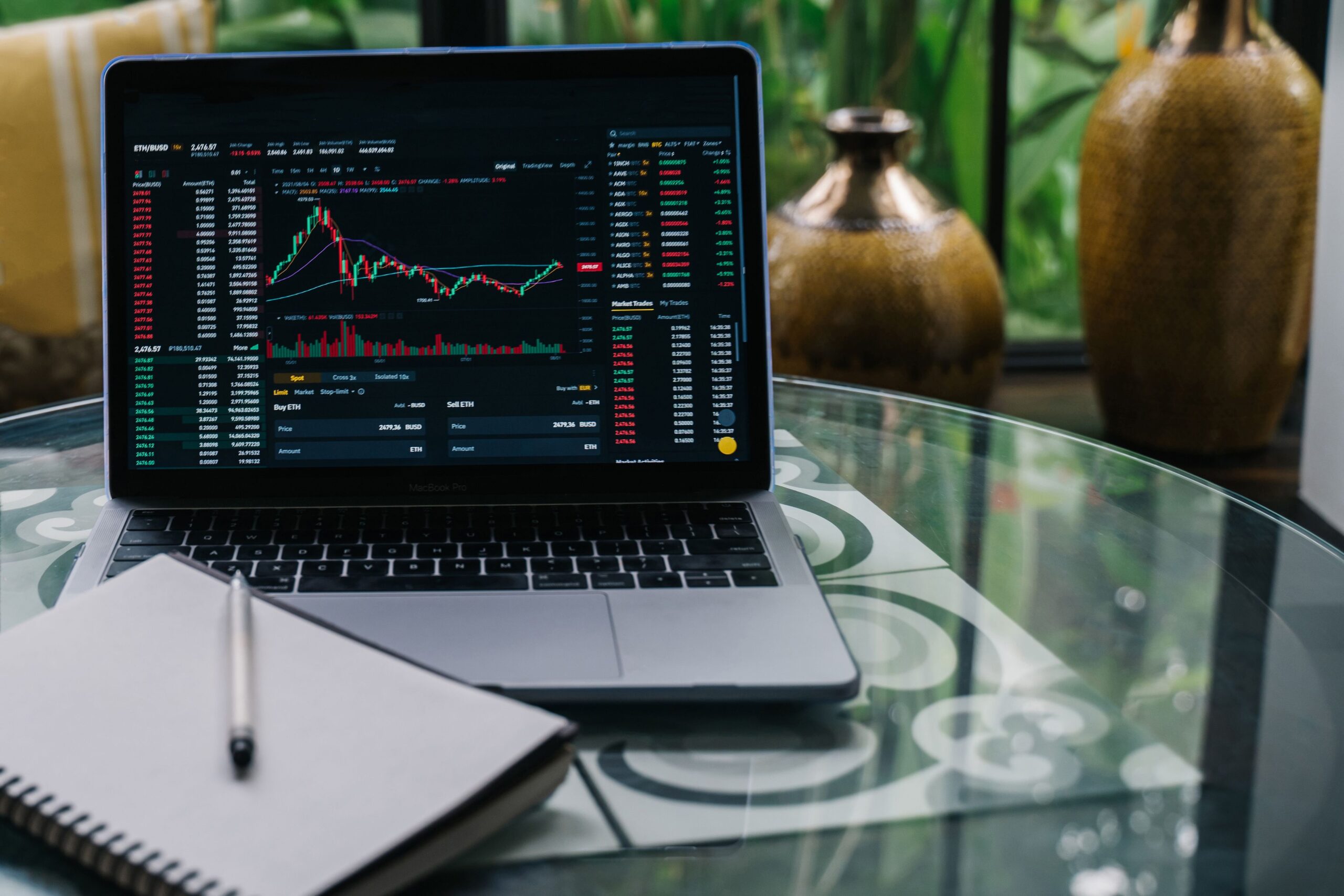
AI trading strategies in 2026 are changing how investors analyze markets, identify trading opportunities, and manage risk. Artificial intelligence can process large amounts of market data, recognize patterns, and automate selected trading decisions. As a result, traders are increasingly exploring AI trading bots, algorithmic platforms, and machine learning tools.
However, automated trading is not a guaranteed way to make money. Market conditions change, trading fees reduce returns, and AI models can produce inaccurate predictions. A strategy that performs well in historical testing may also lose money in live markets.
This guide explains how AI trading works, compares popular categories of AI trading bots, examines platform fees, and evaluates performance. You will also learn how to select a suitable platform, test strategies, and protect your trading capital.
What Are AI Trading Strategies?
AI trading strategies use artificial intelligence, machine learning, statistical models, or automated rules to support trading decisions. These systems analyze information and generate signals that may help traders decide when to enter, exit, or adjust a position.
Traditional trading algorithms generally follow predefined instructions. AI-based systems may also identify relationships in historical data and adapt their predictions as new information becomes available. However, not every platform marketed as an AI trading tool uses advanced machine learning. Some simply automate conventional technical indicators.
How AI Trading Systems Work
Most AI trading systems follow several steps. First, they collect information such as prices, trading volume, and technical indicators. Some systems also process news sentiment or economic data. Next, the model analyzes the information and generates a signal.
The platform may then send an alert, suggest a position, or execute an order through a supported broker or exchange. Risk controls determine position sizes, stop-loss levels, and other trading limits.
For example, a trend-following model might identify an upward price trend and generate a buy signal. A separate risk-management rule could limit the position to a small percentage of available trading capital. This combination can help maintain discipline, although it cannot eliminate losses.
Best Types of AI Trading Bots to Compare in 2026
The best AI trading bot depends on your experience, preferred market, budget, and tolerance for risk. Compare the strategy, supported exchanges, automation features, and total costs before choosing a service.
1. AI Bots for Trend Following
Trend-following bots attempt to identify sustained price movements. They may analyze moving averages, momentum indicators, volatility, and other market signals. The system enters positions when its conditions are met and exits when the trend weakens or a risk limit is triggered.
These bots may suit markets with persistent trends. However, they can generate repeated losses when prices move sideways. Frequent false signals may also increase trading costs.
2. AI Bots for Mean Reversion
Mean-reversion strategies look for prices that have moved unusually far from a calculated average. The model assumes that prices may return toward a typical level. It can use statistical indicators, volatility measurements, and historical price relationships.
This approach may work in relatively stable markets. Nevertheless, prices can remain overbought or oversold for extended periods. A strong market trend can cause substantial losses if the bot repeatedly trades against it.
3. AI Bots for Arbitrage
Arbitrage bots search for price differences between markets, trading pairs, or exchanges. They attempt to capture a difference after accounting for execution costs. Speed is often important because price discrepancies may disappear quickly.
Potential challenges include withdrawal fees, network congestion, slippage, exchange restrictions, and execution delays. A price difference shown on a dashboard does not necessarily represent an achievable profit.
4. AI Bots for Portfolio Rebalancing
Portfolio rebalancing tools help maintain target allocations across assets. They may use rules or predictive models to recommend adjustments when an allocation moves outside a specified range.
These tools are often more appropriate for investors seeking a structured portfolio process than for traders making frequent short-term bets. Taxes, transaction fees, and investment objectives still need careful consideration.
5. AI-Assisted Trading Signals
Some platforms use AI to analyze charts, summarize market information, or generate potential trade ideas. These tools provide recommendations rather than fully autonomous execution.
They may be useful for traders who want to retain control over every order. However, users should verify signals independently and avoid treating AI-generated forecasts as certain predictions.
Compare AI Trading Platforms and Their Fees
Platform fees can significantly affect the performance of an automated strategy. A bot that appears profitable before costs may deliver weak or negative results after fees, spreads, and slippage are included.
The following comparison describes common platform categories. It is not a ranking of guaranteed winners. Actual pricing, features, and availability vary by provider, account type, location, and market.
| Platform category | Typical pricing model | Main advantage | Key limitation |
|---|---|---|---|
| Exchange-native bots | Trading fees; some features included | Convenient exchange integration | Limited to supported exchange features |
| Subscription-based bot services | Monthly or annual subscription plus trading fees | Automation and strategy management | Subscription costs can reduce returns |
| Open-source trading frameworks | Software may be free; infrastructure costs apply | Customization and testing flexibility | Requires technical knowledge and maintenance |
| Broker-integrated algorithmic tools | Commissions, spreads, data, or platform charges | Direct access to supported brokerage markets | Features and order types depend on the broker |
| AI signal platforms | Free tiers or paid subscriptions | Research assistance and trade alerts | Signals may be inaccurate or delayed |
Understand the Main Trading Costs
Trading commissions are charges applied to buying or selling assets. Some brokers charge per trade, while others use different pricing structures. Cryptocurrency exchanges commonly charge maker or taker fees depending on how an order interacts with the order book.
Subscription fees pay for access to bot features, analytics, or strategy tools. Compare the monthly cost with your actual trading activity. A premium subscription may not be worthwhile for an account with limited capital.
Spreads and slippage can create additional costs. The spread is the difference between the bid and ask prices. Slippage occurs when an order executes at a different price than expected. Both can be especially important during volatile market conditions.
Other possible expenses include market data, cloud hosting, exchange connectivity, funding rates for leveraged positions, and withdrawal charges. Always calculate the complete cost of running a strategy.
How to Evaluate AI Trading Bot Performance
Performance should be measured with more than a headline return. A bot may report impressive gains while taking excessive risk or relying on a favorable historical period. A proper evaluation considers profitability, consistency, drawdowns, and the quality of the testing process.
1. Examine Historical Backtesting
Backtesting evaluates how a strategy would have performed using historical market data. It can help identify weaknesses before real money is involved.
However, backtests can be misleading when they use unrealistic execution assumptions, omit trading costs, or rely on information that would not have been available at the time. Look for realistic fees, slippage estimates, and safeguards against look-ahead bias.
2. Use Out-of-Sample Testing
Separate the data used to develop a strategy from the data used to evaluate it. This helps determine whether the model has learned a potentially useful pattern or simply memorized historical conditions.
Walk-forward testing can provide additional insight by repeatedly testing a model on later periods after training it on earlier data. Even strong out-of-sample results do not guarantee future profitability.
3. Measure Maximum Drawdown
Maximum drawdown measures the largest peak-to-trough decline in portfolio value over a specified period. It helps reveal how much capital an investor might have lost before a recovery.
For example, a strategy that earns a positive annual return but experiences a severe drawdown may be unsuitable for someone who cannot tolerate large losses. Compare returns with the risk required to achieve them.
4. Review Risk-Adjusted Returns
Metrics such as the Sharpe ratio can help compare returns with volatility. Profit factor compares gross profits with gross losses, while win rate measures the proportion of profitable trades. No single metric provides a complete picture.
Also review the number of trades, average holding period, performance across different market conditions, and exposure to individual assets. A high win rate can still accompany losses if losing trades are much larger than winning trades.
5. Verify Live Trading Results
Paper trading and simulated results are useful starting points, but they do not perfectly reproduce live execution. Real markets introduce liquidity constraints, changing spreads, partial fills, and unexpected price movements.
When available, examine independently verifiable live performance with clear dates, fees, deposits, withdrawals, and risk statistics. Be cautious of screenshots or promotional claims that cannot be independently checked.
How to Choose an AI Trading Strategy in 2026
Choosing an appropriate strategy starts with your objective. A short-term trader may prioritize execution speed and liquidity. A long-term investor may care more about portfolio allocation, research, and rebalancing.
Match the Tool to Your Experience
Beginners may prefer simple alerts or paper-trading tools before enabling automated orders. More experienced users may benefit from customizable frameworks, advanced testing, and direct control over execution.
Do not pay for complex features unless you understand how they work. A transparent strategy with clear risk limits can be more useful than an opaque system advertised as revolutionary.
Check Security and Regulatory Considerations
Review the provider’s reputation, account security, data practices, and terms of service. When exchange API keys are required, disable withdrawal permissions whenever possible and enable only the permissions necessary for trading.
Use multifactor authentication and unique passwords. Never share your exchange password or private wallet recovery phrase with a bot provider. Confirm that the service and the broker or exchange are available legally in your jurisdiction.
AI tools do not remove the need to understand financial regulations, taxes, and product-specific risks. Leveraged products and derivatives can magnify losses and may be unsuitable for inexperienced traders.
Practical Steps for Testing an AI Trading Bot
A structured testing process can help you avoid committing too much money to an unproven system.
- Define your objective: Choose the market, time horizon, and risk limits before selecting a bot.
- Research the provider: Verify fees, supported exchanges, security controls, and withdrawal policies.
- Backtest realistically: Include commissions, spreads, slippage, and relevant market conditions.
- Run a paper-trading trial: Compare actual signals and simulated execution with your expectations.
- Start with limited exposure: If you proceed to live trading, use capital you can afford to lose and set strict limits.
- Review results regularly: Track net returns, drawdown, fees, and unexpected behavior.
Do not increase your allocation simply because a bot has delivered several profitable trades. Short-term success can result from chance or favorable market conditions. Establish clear rules for pausing the system when its behavior changes or risk limits are breached.
AI Trading, Passive Income, and Online Business Opportunities
AI trading is sometimes promoted as a way to earn passive income. Automation can reduce manual work, but it does not eliminate monitoring, maintenance, research, or financial risk. Traders may still need to update models, investigate execution errors, and respond to changing market conditions.
People researching an online business should distinguish between trading capital and operating income. Trading returns are uncertain, while service businesses depend on customers, costs, and delivery. For example, comparisons such as affiliate vs dropshipping can help entrepreneurs evaluate different business models. Affiliate marketing earns commissions for referred sales, while a dropshipping business sells products that are shipped by a third-party supplier. Neither model guarantees profit, but both have different cost structures from automated trading.
Do not treat an AI trading bot as a substitute for an emergency fund, diversified investments, or a sustainable income plan. Keep trading money separate from essential household funds.
Common AI Trading Mistakes to Avoid
One major mistake is trusting guaranteed-return claims. No legitimate trading strategy can guarantee profits in every market. Be skeptical of providers that promise fixed daily returns, hide their trading logic, or pressure users to deposit money quickly.
Another mistake is overfitting. A strategy may appear excellent in historical testing because its settings were repeatedly adjusted to match past prices. This does not mean the model will work in new conditions.
Ignoring fees is also costly. Small expenses can accumulate when a bot executes many trades. Always compare net performance after costs rather than relying on gross returns.
Finally, avoid excessive leverage and uncontrolled automation. A software error, unexpected market event, or failed connection can cause losses. Use position limits, monitoring alerts, and a clear process for stopping the bot.
Useful Resources for AI Trading Research
Independent research can help you understand automated trading, financial risks, and the tools available to market participants. Start with established educational and regulatory resources.
- Investor.gov provides investor education and information about investment risks and fraud prevention.
- FINRA for Investors offers educational resources about investing, brokers, and risk.
- U.S. Securities and Exchange Commission Investor Resources explains investor protection and common investment concerns.
- QuantConnect provides algorithmic trading research and strategy-testing tools.
- Backtrader offers a framework for developing and testing trading strategies.
These resources serve different purposes. Educational websites explain investment risks, while algorithmic trading frameworks support research and testing. Check current product terms, platform availability, and applicable regulations before using any service.
Conclusion: Are AI Trading Strategies Worth Considering in 2026?
AI trading strategies in 2026 offer useful tools for market analysis, trade automation, and systematic risk management. Trend-following bots, mean-reversion models, arbitrage systems, and AI-assisted signals each serve different purposes. The right choice depends on your goals, technical skills, and tolerance for risk.
Before selecting a platform, compare subscription charges, commissions, spreads, slippage, and other operating expenses. Then evaluate backtesting quality, out-of-sample performance, maximum drawdown, and independently verifiable live results.
Most importantly, remember that AI is a tool, not a profit guarantee. Begin with research and simulation, protect your account credentials, and use strict risk controls before considering live trading. A disciplined process is more valuable than choosing a bot based on marketing claims alone.