
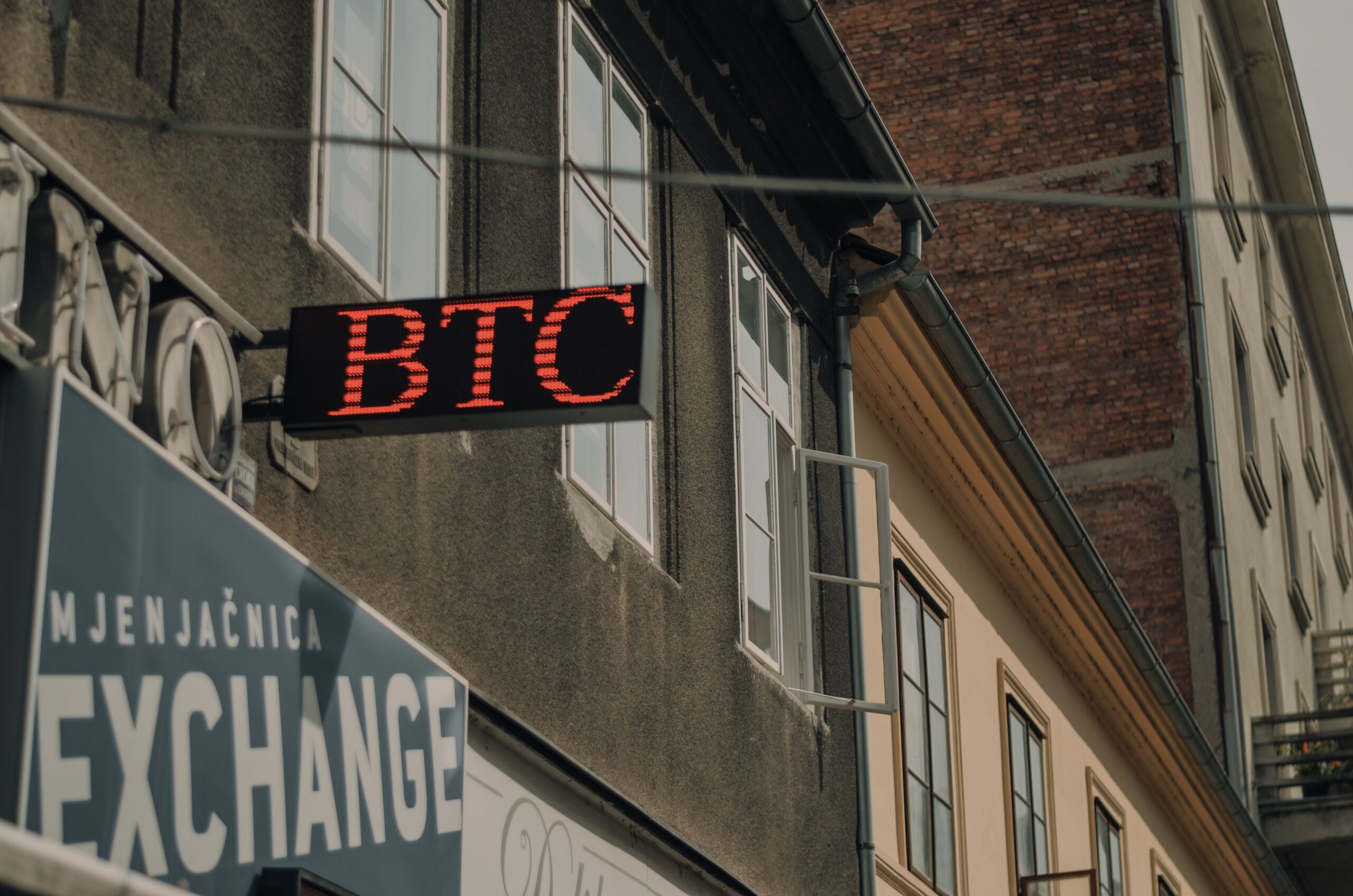
Choosing among the best cryptocurrency exchanges in 2026 can make a significant difference to your trading costs, account security, and overall investment experience. Whether you are buying Bitcoin for the first time or trading alternative cryptocurrencies regularly, the right platform should offer transparent fees, strong security controls, reliable withdrawals, and useful trading tools.
However, not every cryptocurrency exchange offers the same benefits. Some platforms are designed for beginners, while others focus on advanced charting, high liquidity, automated trading, or access to a wide selection of digital assets. Therefore, comparing the available features before opening an account is essential.
This guide compares leading cryptocurrency exchanges, explains their fee structures, and highlights the security features worth checking. It also covers practical ways to choose a platform that matches your budget and trading goals.
What Are Cryptocurrency Exchanges?
A cryptocurrency exchange is an online platform that allows users to buy, sell, or trade digital assets such as Bitcoin, Ethereum, and other cryptocurrencies. Depending on the provider, users may also access recurring purchases, staking services, advanced order types, and cryptocurrency-to-cryptocurrency trading pairs.
There are two main types of exchanges. Centralized exchanges, or CEXs, operate through a company that manages trading services and typically holds customer assets in custody. Decentralized exchanges, or DEXs, allow users to swap tokens through blockchain-based smart contracts, usually while retaining control of their wallets.
Centralized platforms often provide easier fiat deposits, customer support, and simpler interfaces. Decentralized platforms can offer greater control over assets, but users must understand wallet security, network fees, and smart contract risks.
Best Cryptocurrency Exchanges in 2026 Compared
The following platforms are worth comparing based on their general strengths. Availability, supported assets, and product features vary by country, so confirm that the specific service is legally available where you live.
1. Coinbase: Best for Beginners
Coinbase is a well-known cryptocurrency platform with an accessible interface and educational resources. Its simple buying experience can help newcomers understand how cryptocurrency transactions work before exploring more advanced features.
Users who want greater control over order execution can investigate Coinbase Advanced. Its pricing generally depends on the trading product, order type, and applicable fee tier. Simple purchases may also include spreads or other charges.
Key advantages:
- Beginner-friendly buying and selling experience.
- Advanced trading tools for more experienced users.
- Account security controls and cryptocurrency education.
- Support for various digital assets, subject to regional availability.
Potential drawback: Convenience-focused purchases may cost more than placing orders through an advanced trading interface. Compare the final quoted price before confirming a transaction.
2. Kraken: Best for Security-Focused Traders
Kraken offers cryptocurrency trading services for beginners and experienced market participants. Its Kraken Pro platform provides order-book trading, advanced order options, and a maker-taker fee structure.
Kraken also provides security features that users can evaluate, including two-factor authentication and withdrawal controls. Its published reserve-verification information can help customers assess specific aspects of asset backing, although reserve attestations do not eliminate every financial or operational risk.
Key advantages:
- Advanced trading tools and order types.
- Volume-based trading fee tiers.
- Security controls and reserve transparency resources.
- Access to supported spot markets and additional services where available.
Potential drawback: The advanced interface may feel complicated to first-time traders. Also, fees for instant purchases and payment methods can differ from professional trading fees.
3. Binance: Best for Active Trading and Market Variety
Binance is known for its broad cryptocurrency market selection, substantial trading activity, and extensive trading tools. Depending on the applicable entity and jurisdiction, its services may include spot trading, advanced charts, automated order features, and derivatives.
Binance generally uses a tiered fee structure. Trading volume, maker or taker status, and eligible discounts can affect the final cost. However, its products and account availability differ significantly across countries.
Key advantages:
- A wide range of supported trading pairs in eligible markets.
- Advanced charting and order-management tools.
- Competitive fee tiers for qualifying traders.
- Additional trading features for users who understand their risks.
Potential drawback: Product restrictions and regulatory requirements may limit access. Beginners should also avoid assuming that complex products or leveraged trading will improve investment results.
4. Crypto.com: Best for Mobile-Focused Users
Crypto.com combines a mobile-oriented cryptocurrency experience with additional services that may include exchange trading, payment features, and eligible reward programs.
The platform may appeal to users who prefer managing supported digital assets through a smartphone. Nevertheless, customers should distinguish between the main app’s purchase pricing and the exchange’s trading fees. Spreads, card charges, withdrawal costs, and reward conditions can influence the overall value.
Key advantages:
- Mobile account management.
- Access to supported cryptocurrencies and trading services.
- Additional features within its wider product ecosystem.
- Security settings for managing account access.
Potential drawback: Costs and product availability vary by region. Review the terms of any rewards or promotional offers rather than assuming they guarantee returns.
5. Gemini: Best for Users Prioritizing Account Controls
Gemini is another cryptocurrency platform worth evaluating when security controls, custody arrangements, and a straightforward trading experience are important.
Its services and fee schedules depend on the product used and the user’s location. Customers should review its current security documentation, account protections, withdrawal policies, and available trading interfaces before depositing funds.
Key advantages:
- Account security tools.
- Cryptocurrency trading and custody services in supported markets.
- Trading options for different experience levels.
- Published information about platform policies and risks.
Potential drawback: Supported assets, payment options, and fees may be less attractive for some users than competing services. Compare the actual transaction cost and available markets first.
Cryptocurrency Exchange Fees Compared
Trading fees are an important factor when selecting the best cryptocurrency exchanges in 2026. However, the lowest advertised commission does not always produce the lowest total cost. Payment charges, spreads, and withdrawal fees can make a substantial difference.
| Exchange | Potential strength | Fees to check |
|---|---|---|
| Coinbase | Beginner-friendly trading | Trading tier, spread, payment method |
| Kraken | Advanced order-book trading | Maker-taker tier, funding, withdrawals |
| Binance | Active trading and market variety | Trading tier, discounts, network fees |
| Crypto.com | Mobile-focused cryptocurrency services | Exchange fees, spreads, card charges |
| Gemini | Account controls and trading options | Trading interface, order fees, transfers |
This table compares general platform characteristics rather than guaranteeing the cheapest provider. Check each exchange’s official fee schedule for your country and account type before making a deposit.
Understand Maker and Taker Fees
A maker order adds liquidity to an exchange’s order book, while a taker order executes against an existing order. Depending on the exchange, maker fees may be lower than taker fees, although exact rates vary.
For example, imagine a trade worth $1,000 with a hypothetical fee of 0.10%. The trading fee would be $1. If the fee were 0.50%, the same trade would cost $5, before considering spreads and other charges.
These examples illustrate the calculation, not the current fee rates of any particular provider. For frequent traders, even small differences can accumulate over time.
How to Evaluate Cryptocurrency Exchange Security
Security should be a priority when comparing cryptocurrency platforms. Even an exchange with low fees and attractive features may be unsuitable if its safeguards, transparency, or withdrawal procedures do not meet your requirements.
1. Check Two-Factor Authentication
Choose a platform that offers strong account protection. Two-factor authentication adds another verification step beyond your password. Where supported, passkeys or hardware security keys can provide stronger resistance to phishing than SMS-based verification.
2. Review Cold Storage and Custody Policies
Some exchanges keep a substantial portion of customer cryptocurrency in offline storage. This can reduce exposure to certain online attacks, but it does not eliminate all risks. Review how assets are held, who controls the private keys, and what protections apply if the company experiences financial difficulties.
3. Look for Reserve and Financial Disclosures
Proof-of-reserves reports can provide useful information about specified cryptocurrency holdings and liabilities. However, the scope and date of a report matter. A snapshot does not necessarily establish complete solvency, reveal every liability, or guarantee that withdrawals will always be available.
4. Verify Regulatory Status
Check the exact legal entity that will provide your service. Registration, licensing, and customer protections differ across jurisdictions. Do not assume that an exchange’s authorization in one country automatically applies to every service it offers elsewhere.
For additional guidance, read the Investor.gov investor education resources. The U.S. Securities and Exchange Commission warns that crypto-related investments can be highly speculative and may lack important investor protections.
How to Choose the Best Cryptocurrency Exchange for Your Needs
The best platform depends on your experience, trading frequency, preferred cryptocurrencies, and risk tolerance. Use the following checklist to narrow your options.
- For beginners: Prioritize a simple interface, transparent purchase prices, educational resources, and reliable customer support.
- For active traders: Compare maker-taker fees, order-book liquidity, charting tools, API controls, and execution quality.
- For long-term investors: Review custody arrangements, recurring purchase options, withdrawal procedures, and the cost of moving assets to a personal wallet.
- For altcoin traders: Confirm that the specific token and trading pair are supported in your jurisdiction.
- For mobile users: Evaluate app usability, authentication options, notifications, and account recovery procedures.
Before registering, compare at least two or three eligible providers. Read the terms carefully, verify the official website, and understand how to withdraw both money and cryptocurrency.
Can Cryptocurrency Trading Support an Online Business?
Some entrepreneurs explore cryptocurrency alongside other digital business models. However, trading and operating a business involve different skills and risks.
For example, affiliate marketing can generate commissions when readers purchase eligible products through referral links. A dropshipping business sells products without keeping conventional inventory in-house. When comparing affiliate vs dropshipping, entrepreneurs should consider startup costs, customer service, margins, and marketing requirements.
Both models may support an online business, but neither guarantees profits. Likewise, cryptocurrency trading should not be treated as reliable passive income. Prices can fall sharply, and staking rewards or other yield products may involve additional risks.
Readers exploring these business models can also visit our Digital Marketing and Side Hustles and Extra Income categories for related educational guides.
Common Mistakes to Avoid When Using Crypto Exchanges
Choosing an exchange is only the first step. Good account management can also help reduce avoidable risks.
- Ignoring total costs: Compare spreads, trading fees, deposit charges, and withdrawal costs.
- Skipping security settings: Enable strong authentication and use a unique password.
- Trusting guaranteed-profit claims: No legitimate exchange can guarantee that cryptocurrency trading will produce profits.
- Leaving every asset on an exchange: Consider whether a personal wallet is appropriate for your needs, while understanding that self-custody introduces private-key and recovery risks.
- Sending funds to an unverified address: Confirm the wallet address and blockchain network before transferring assets.
- Trading with excessive leverage: Borrowed exposure can magnify losses and trigger liquidation.
Never share your recovery phrase or private keys with another person. Start with a small transaction when testing an unfamiliar withdrawal process, and confirm the receiving network supports the asset you are sending.
Final Verdict: Which Cryptocurrency Exchange Should You Choose in 2026?
The best cryptocurrency exchanges in 2026 offer different combinations of pricing, usability, security, and trading tools. Coinbase is worth considering for its accessible interface. Kraken is a strong candidate for users who want advanced trading and security features. Binance may suit active traders where its services are available. Crypto.com appeals to mobile-focused users, while Gemini is worth comparing for its account controls and custody arrangements.
There is no single exchange that is best for everyone. Compare the exact fees, confirm local availability, review the provider’s legal entity and security disclosures, and test the withdrawal process before committing substantial funds.
Most importantly, remember that cryptocurrency markets are volatile. Only risk money you can afford to lose, and do not confuse platform convenience with investment safety. A careful comparison can help you make a more informed decision, but it cannot remove the risks of digital assets.
Frequently Asked Questions
What is the best cryptocurrency exchange in 2026?
The right choice depends on your needs. Coinbase is worth evaluating for beginners, Kraken for advanced trading and security features, Binance for market variety where available, Crypto.com for mobile services, and Gemini for account controls. Compare current terms before deciding.
Which cryptocurrency exchange has the lowest fees?
Fees vary by location, trading volume, order type, and payment method. Compare the complete cost of a transaction, including spreads, trading commissions, deposits, and withdrawals, rather than relying on advertised headline rates.
Are cryptocurrency exchanges safe?
Exchanges use different security measures, but none is completely risk-free. Enable strong authentication, review custody policies, verify regulatory status, and understand what happens if withdrawals are suspended or the provider becomes insolvent.
Can I make passive income with cryptocurrency?
Some platforms offer staking or other yield-related products, but returns are not guaranteed. These services may involve token-price volatility, lockup periods, counterparty exposure, and other risks. Review the terms carefully before participating.
Should beginners use a centralized or decentralized exchange?
A centralized exchange may be easier for beginners because it often provides account recovery options, customer support, and fiat payment methods. A decentralized exchange offers more direct wallet control but requires greater technical knowledge and careful management of private keys.