
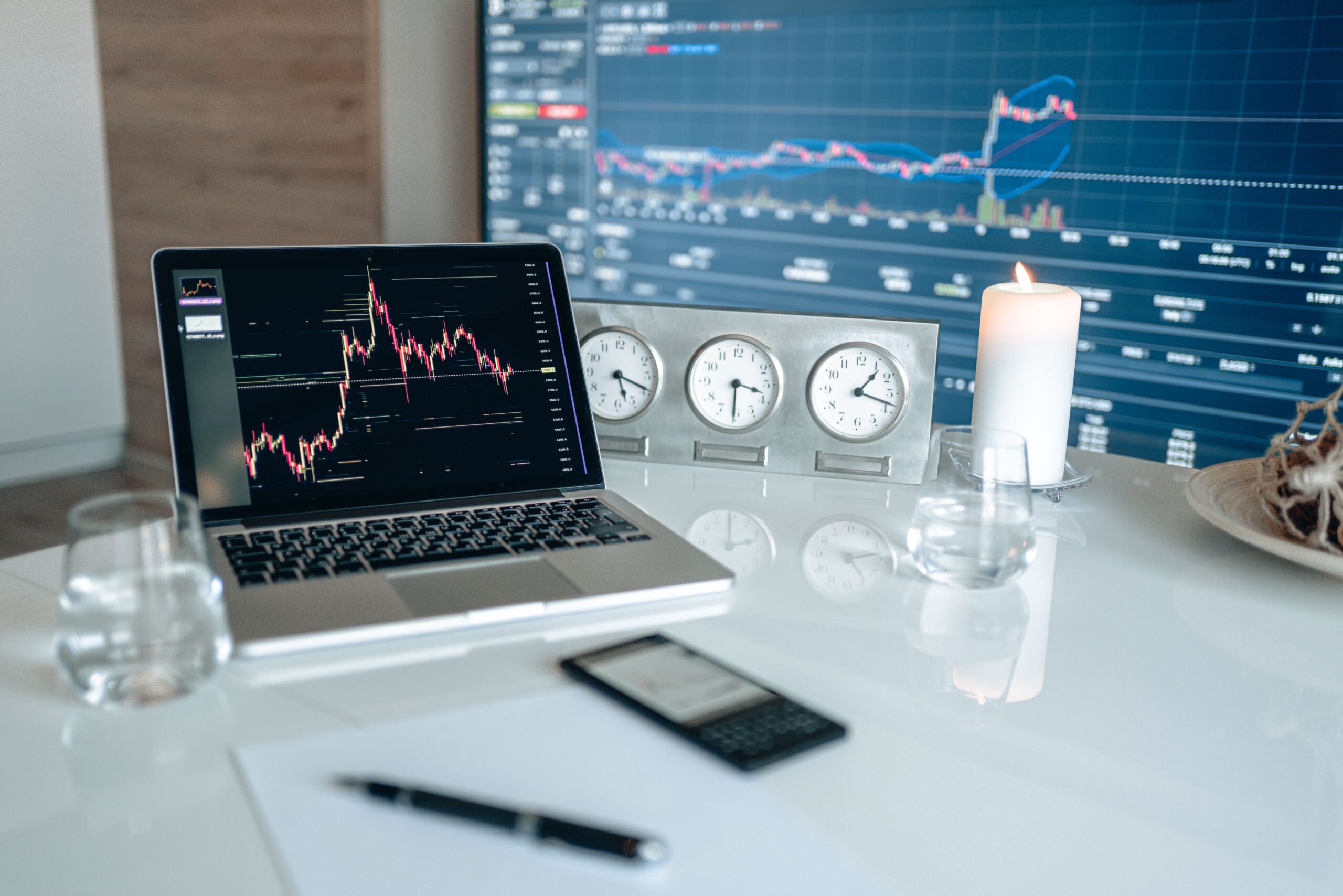
The foreign exchange market offers opportunities for traders worldwide. However, success requires more than choosing a currency pair and predicting its direction. Traders need reliable technology, accurate market data, effective risk management, and a clear understanding of trading expenses. The best forex trading tools in 2026 can help traders analyze currency markets, monitor price movements, test strategies, and make more informed decisions.
Today’s trading technology includes advanced broker platforms, technical indicators, economic calendars, automated trading systems, and forex signal services. Each tool serves a different purpose. Some focus on chart analysis, while others help traders identify potential opportunities or manage open positions.
This guide compares popular forex trading platforms, signal services, charting tools, and trading costs. It also explains how to choose tools that match your experience, trading style, and budget.
What Are Forex Trading Tools?
Forex trading tools are software applications, online services, and analytical resources that help traders evaluate currency markets and execute trades. They can support technical analysis, fundamental research, trade automation, and portfolio monitoring.
The most useful tools usually fall into five categories:
- Broker platforms: Applications for placing orders, managing positions, and monitoring account balances.
- Charting software: Tools for analyzing price trends, support and resistance, and technical indicators.
- Forex signals: Alerts that identify possible trading setups based on predefined methods or market analysis.
- Economic calendars: Resources that track interest rate decisions, inflation reports, employment figures, and other market-moving events.
- Risk management tools: Position-size calculators, stop-loss planning tools, and trading journals.
Combining these resources can create a more consistent trading process. However, no tool guarantees profitable trades. Currency prices can change rapidly, especially during major economic announcements.
Best Forex Trading Platforms in 2026
A broker platform is one of the most important tools for any forex trader. It determines how you place orders, analyze charts, access markets, and monitor account performance. The right choice depends on your preferred trading style and the features available through your broker.
1. MetaTrader 4: Best for Traditional Forex Trading
MetaTrader 4 (MT4) remains a widely recognized platform for retail forex trading. It offers customizable charts, technical indicators, order-management features, and support for automated strategies known as Expert Advisors.
MT4 may suit traders who prefer familiar charting tools and established automated trading workflows. Its ecosystem also includes custom indicators and third-party tools. Availability and functionality depend on the broker and software provider.
Before choosing MT4, check the broker’s spreads, commissions, execution policies, and available currency pairs. A powerful platform cannot compensate for unfavorable trading conditions.
Official website: MetaTrader 4.
2. MetaTrader 5: Best for Advanced Trading Features
MetaTrader 5 (MT5) offers advanced charting, multiple order types, additional analytical features, and a strategy-testing environment. Depending on the broker, it may provide access to forex and other asset classes through a single interface.
MT5 is worth considering if you want more flexible analysis and automated strategy development. Its programming environment supports custom trading applications and indicators. However, MT4 and MT5 use different programming languages, so not every MT4 tool transfers directly to MT5.
Official website: MetaTrader 5.
3. TradingView: Best for Charting and Technical Analysis
TradingView is a popular charting and market-analysis platform. It provides interactive charts, drawing tools, technical indicators, watchlists, and customizable alerts. Its browser-based interface is convenient for traders who want to analyze markets without relying on a single desktop application.
TradingView can help you identify trends, compare currency pairs, and build repeatable analysis routines. Some broker integrations allow users to trade through supported connections. However, integration availability varies by broker and region.
Free and paid plans may differ in indicator limits, alerts, chart layouts, and other features. Compare the current subscription details with your actual needs before paying for an upgrade.
Official website: TradingView.
4. cTrader: Best for an Advanced Trading Interface
cTrader offers charting, order execution, market analysis, and automated trading features through participating brokers. Its interface may appeal to traders who prefer detailed order controls and a modern layout.
Some cTrader environments support algorithm development and backtesting. These features can help experienced traders evaluate strategies before considering live execution. Actual execution quality still depends on the broker, account conditions, liquidity, and market conditions.
Official website: Spotware, the developer of cTrader.
Forex Broker Platforms: How to Compare Trading Costs
Choosing the right platform is only part of the decision. Your broker’s pricing structure can affect every trade. Therefore, compare the total cost of trading rather than focusing on advertised spreads alone.
Understand Spreads and Commissions
The forex spread is the difference between the bid price and the ask price. A narrower spread generally lowers the immediate cost of entering a trade, assuming other conditions are equal.
Some accounts advertise spreads from zero but charge a commission on each trade. Other accounts use wider spreads with no separate trading commission. Neither model is automatically cheaper for every strategy.
For example, a trader who opens and closes positions frequently may be especially sensitive to small differences in spreads and commissions. A longer-term trader may place greater emphasis on overnight financing costs and overall execution quality.
Compare the Main Trading Expenses
| Cost | What It Means | What to Check |
|---|---|---|
| Spread | Difference between bid and ask prices | Typical spreads during your trading hours |
| Commission | Fee charged on eligible trades | Round-trip cost and account-specific rates |
| Swap or rollover | Financing adjustment for positions held overnight | Rates, direction, and holding period |
| Slippage | Difference between expected and actual execution price | Execution conditions during volatile markets |
| Deposit or withdrawal fees | Charges associated with moving money | Payment methods and processing terms |
| Platform subscription | Cost of premium analysis or software features | Monthly fees and renewal terms |
To compare brokers fairly, calculate the expected cost for your typical position size and trading frequency. Include both opening and closing costs. Also review the broker’s legal entity, regulatory status, withdrawal policies, and negative-balance protections where applicable.
Best Forex Signal Tools in 2026
Forex signals provide alerts about potential entry points, exit levels, or market setups. They may come from professional analysts, algorithmic systems, technical indicators, or automated services. Signals can save research time, but they should not replace independent analysis.
TradingView Alerts
TradingView alerts allow traders to monitor specified prices, indicator conditions, or chart setups. Instead of watching a screen throughout the day, you can receive notifications when selected conditions occur.
These alerts are useful for building a disciplined process. However, an alert only identifies a condition. It does not establish that a trade is suitable or likely to succeed.
Broker Research and Market Alerts
Some brokers provide daily market commentary, economic updates, and technical analysis. These resources can help you understand possible market drivers and upcoming events.
Check whether the research explains its assumptions, risks, and time horizon. A market outlook should not be treated as a guaranteed prediction.
Third-Party Signal Services
Paid signal services may advertise high win rates or substantial returns. Before subscribing, look for independently verifiable results, a complete trading history, realistic drawdown information, and clear explanations of risk.
Be cautious when a provider guarantees profits, pressures you to deposit money, or hides losing trades. Past performance does not guarantee future results. Test signals in a demo account before risking real funds.
Essential Forex Analysis Tools
Technical Indicators
Technical indicators help traders interpret price behavior. Common examples include moving averages, the Relative Strength Index (RSI), Moving Average Convergence Divergence (MACD), and Average True Range (ATR).
Moving averages can help identify trends. RSI measures momentum, while MACD compares moving-average relationships. ATR estimates recent price volatility and can support position-sizing or stop-distance decisions.
Indicators are most useful when they answer a specific question. Adding too many indicators may create conflicting signals and make a trading strategy harder to evaluate.
Economic Calendars
An economic calendar lists scheduled releases such as central bank announcements, inflation data, employment reports, and gross domestic product figures. These events can affect exchange rates by changing expectations about interest rates and economic conditions.
Check the release time, forecast, previous reading, and actual result. Remember that market reactions depend on expectations and the broader economic environment, not just whether a number is higher or lower than forecast.
Useful resource: Forex Factory Economic Calendar.
Position-Size Calculators
A forex position-size calculator estimates the trade size that corresponds to a chosen risk amount and stop-loss distance. It can help traders apply consistent risk limits across different currency pairs.
For example, a trader with a $5,000 account who chooses to risk 1% on one trade would set a planned risk budget of $50. The position size would then depend on the stop distance, pip value, account currency, and instrument specifications. This calculation does not eliminate the possibility of losses exceeding the planned amount during gaps or severe slippage.
Trading Journals and Backtesting Software
A trading journal records entries, exits, position sizes, trading costs, and the reasons behind each decision. Over time, these records can reveal recurring mistakes and show whether a strategy performs differently across market conditions.
Backtesting tools allow you to evaluate a strategy against historical data. Include realistic spreads, commissions, and slippage assumptions. Avoid relying only on optimized historical results, because a strategy that fits past data too closely may perform poorly in live markets.
How to Choose the Best Forex Trading Tools for Your Strategy
The best setup is not necessarily the most expensive. Start with the tools that address your biggest trading needs.
- Beginners: Start with a regulated broker, a demo account, basic charts, an economic calendar, and a position-size calculator.
- Day traders: Prioritize execution reliability, clear charts, alerts, spreads, commissions, and access during your trading hours.
- Swing traders: Focus on multi-timeframe analysis, economic calendars, overnight financing, and trading journals.
- Algorithmic traders: Evaluate backtesting quality, programming support, data quality, and automated execution controls.
- Cost-conscious traders: Compare free features first and upgrade only when a paid tool offers a measurable benefit.
Before opening a live account, verify the broker through the relevant financial regulator. For example, you can use the NFA BASIC database for relevant US registration information and the FCA Firm Checker for firms operating under UK authorization. If you live elsewhere, consult your local regulator and verify the exact legal entity serving your account.
Are Paid Forex Trading Tools Worth the Cost?
Paid tools can be worthwhile when they save time, provide useful data, or improve a well-tested process. However, a premium subscription cannot turn a weak trading strategy into a reliable one.
Estimate the annual cost of your subscriptions before purchasing them. Include platform upgrades, signal memberships, market-data packages, and any additional software. Then compare those expenses with the practical benefits you receive.
Free tools may be enough for traders who use basic indicators and economic calendars. Advanced traders may benefit from premium alerts, specialized data, or automation features. Make the decision based on evidence rather than marketing claims.
Forex Trading Tools and Financial Risk
Forex trading involves substantial risk. Leverage can magnify both profits and losses, and some products may expose traders to rapid losses. Stop-loss orders can help manage risk, but they do not guarantee execution at the requested price under all market conditions.
Use demo accounts to learn how platforms work. Avoid borrowing money to trade, and never risk funds needed for essential expenses. Understand the rules, fees, and protections that apply in your jurisdiction before choosing a broker.
For general investor education, consult the Investor.gov website. It provides educational information about financial markets and investment risks.
Final Verdict: Which Forex Trading Tools Should You Choose in 2026?
The best forex trading tools in 2026 depend on your goals, experience, and trading approach. MetaTrader 4 may suit traders who prefer established forex workflows. MetaTrader 5 offers expanded analytical and strategy-testing features. TradingView is a strong option for flexible charting and alerts, while cTrader is worth evaluating for its trading interface and supported automation features.
For most traders, a practical starting setup includes a trustworthy broker platform, reliable charting software, an economic calendar, a position-size calculator, and a trading journal. Add signals or paid subscriptions only when they provide clear value.
Finally, compare total trading costs instead of focusing on headline spreads or promotional claims. Verify regulatory information, test tools before committing money, and maintain a written risk-management plan. The right combination of technology and discipline can support better decisions, but it cannot remove the financial risks of forex trading.